
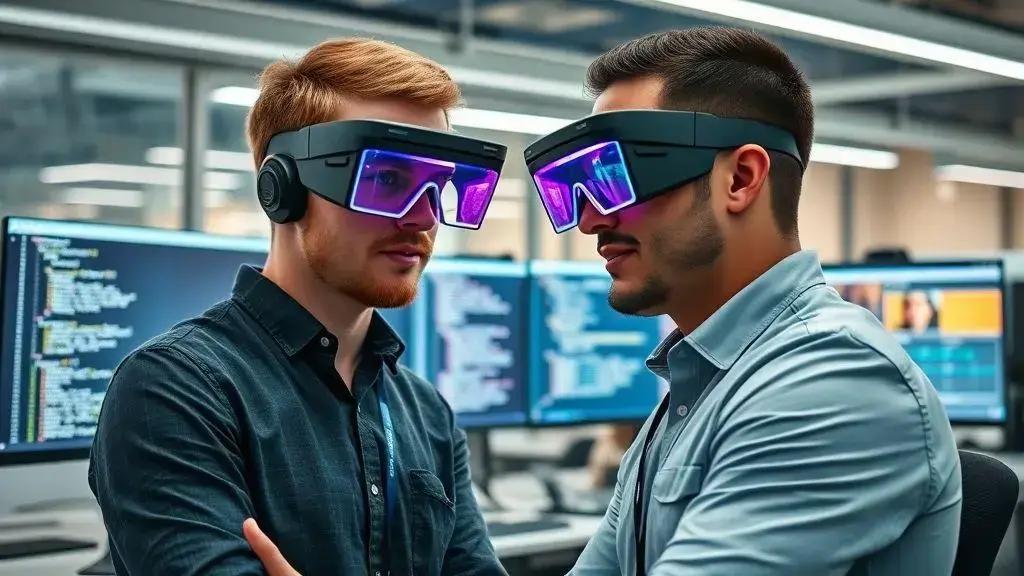

Snap is revolutionizing augmented reality with its next-gen AR glasses, featuring a new OS and advanced AI tools. This evolution, from early Spectacles to a developer-focused platform, promises an intuitive user experience, enhanced performance, and natural interactions. Snap Cloud provides the essential power and scalability for complex AR experiences, while integrated AI tools enable smarter context understanding, personalization, and real-time assistance. Lens Studio AI further empowers creators with generative features and streamlined development, opening diverse monetization opportunities through sales, subscriptions, and brand partnerships, all driven by strategic collaborations to foster a vibrant AR ecosystem.
Discover how **Snap AR glasses** are gearing up to redefine augmented reality experiences with their cutting-edge features and tools. This exciting development not only enhances functionality but also opens up new possibilities for creators and users alike. Are you ready to dive into the future of AR?
Understanding the Evolution of Snap’s AR Glasses
Snap has been working on wearable technology for quite some time. Many people remember the first versions of Snap Spectacles. These early glasses were mainly for recording short videos and photos. They let users share moments directly to Snapchat. It was a fun way to capture life from a first-person view. The design was often colorful and aimed at a younger audience. These initial steps helped Snap learn a lot about hardware. They also learned about how people interact with wearable cameras.
Over the years, Snap released several updates to their Spectacles. Each new version brought improvements. For example, some models added water resistance. Others offered better camera quality or a more refined look. These changes showed Snap’s commitment to evolving their product. They were always looking for ways to make the glasses more useful. The goal was to make them a natural extension of how people use their phones. This steady progress laid the groundwork for more advanced features.
The Leap Towards Augmented Reality
The real game-changer came with the introduction of augmented reality features. Snap started to integrate AR directly into their glasses. This meant that digital content could be overlaid onto the real world. Imagine seeing virtual objects appear right in front of you. This was a big step beyond just recording videos. It moved the Spectacles from a simple camera to an interactive AR device. This shift was crucial for Snap’s long-term vision. They saw a future where AR would be a part of everyday life.
Developing these Snap AR glasses was not easy. It required a lot of research and development. Snap had to overcome many technical hurdles. They needed to make the glasses comfortable, powerful, and stylish. They also had to ensure the AR experiences were smooth and realistic. This journey involved creating new software and hardware components. It was a complex process that took years of dedicated effort. The company learned valuable lessons with each prototype and release.
Focusing on Developers and Innovation
More recently, Snap has shifted its focus. They are now creating AR glasses specifically for developers. These glasses are not yet for the general public. Instead, they are tools for creators to build new AR experiences. This strategy is smart. It allows a community of innovators to explore what’s possible with AR. These developers can create new lenses and applications. This helps push the boundaries of augmented reality technology. It also ensures a rich ecosystem of content when the glasses become widely available.
The evolution of Snap’s AR glasses shows a clear path. From simple camera glasses to advanced AR platforms. Snap is investing heavily in the future of augmented reality. They believe AR will change how we interact with the world. These new glasses, with their advanced operating system and AI features, are a testament to that belief. They represent a significant step forward in making AR a mainstream technology. The journey continues, with exciting possibilities on the horizon for users and creators alike.
Key Features of the New Snap OS
The new Snap OS is a big step for augmented reality glasses. It’s designed to make using AR much smoother and more natural. Think of it as the brain that powers the next generation of Snap’s AR glasses. This operating system focuses on making interactions easy. It helps users feel more connected to the digital world around them. The goal is to blend virtual content seamlessly with real life. This means less effort for you and more immersive experiences.
Enhanced User Experience
One key feature of the new Snap OS is its improved user experience. It’s built to be very intuitive. This means you won’t need to learn complicated controls. The system understands what you want to do almost instantly. It makes navigating through AR content simple and quick. Imagine looking at something and getting information about it right in your view. The OS handles all the complex processing in the background. This allows you to focus on the experience itself, not the technology.
The new OS also brings better performance to Snap AR glasses. Apps and lenses will run faster and more smoothly. This is important for augmented reality, where delays can break the immersion. Snap has worked hard to optimize the software. This ensures that digital objects appear stable and realistic. You’ll notice crisper visuals and more responsive interactions. This improved performance makes the AR world feel more real and engaging. It’s all about making the technology disappear so you can enjoy the magic.
New Interaction Methods
Controlling your AR glasses will be easier than ever. The new Snap OS supports advanced interaction methods. This might include new hand gestures or more precise voice commands. You could simply point at something to interact with it. Or you might speak a command to bring up information. These methods are designed to be natural and hands-free. They free you up to engage with your environment. This makes the AR experience feel less like using a device and more like a natural extension of your senses.
Another important aspect is how the new OS handles data. It’s built to be efficient with power. This means your augmented reality glasses can last longer on a single charge. Nobody wants their AR experience cut short. Snap understands this and has optimized the OS for battery life. This allows for extended use throughout your day. You can explore, create, and connect without constantly worrying about recharging. This efficiency is a big win for everyday usability.
Seamless Integration and Future Growth
The Snap OS is also designed for seamless integration. It works well with other Snap services, like Snapchat. This means your favorite lenses and features will be right there. It also supports a growing ecosystem of third-party apps. Developers can use the new tools to create amazing experiences. This open approach helps the AR platform grow. It ensures there will always be new and exciting things to discover. The OS acts as a strong foundation for all future AR innovations. It’s truly a platform built for tomorrow’s augmented reality.
In summary, the new Snap OS is a powerful upgrade. It improves user experience, boosts performance, and offers new ways to interact. It’s also designed for efficiency and future growth. These features make the next generation of Snap’s AR glasses truly exciting. They promise a more intuitive and immersive augmented reality experience for everyone.
Integration of AI Tools in Snap Specs
The new Snap Specs are getting a big boost from artificial intelligence, or AI. This means the glasses can do much more than just show digital images. AI tools help the glasses understand the world around you better. They can recognize objects, places, and even people. This makes your augmented reality experiences much smarter and more personal. Imagine the glasses knowing what you’re looking at and giving you helpful information right away. It’s like having a smart assistant built into your eyewear.
Smarter Interactions with AI
One cool way AI helps is with understanding context. For example, if you’re looking at a landmark, the Snap AR glasses could use AI to identify it. Then, they might show you historical facts or fun details about it. This happens without you needing to type or search. The AI processes what it sees and hears. It then provides relevant information directly in your field of view. This makes learning and exploring much more engaging and hands-free. It’s a truly immersive way to get information.
AI also plays a key role in making interactions more natural. Think about voice commands. With advanced AI, the glasses can understand what you say more accurately. This means fewer mistakes and smoother control. You can simply speak your commands, and the glasses will respond. This is especially useful when your hands are busy. It makes using the glasses feel very intuitive. The AI is always working to make your experience seamless and effortless.
Personalized Experiences and Real-time Assistance
Another exciting use of AI in Snap Specs is personalization. The glasses can learn your preferences over time. They might suggest lenses or experiences that you’d enjoy. This makes the AR world feel more tailored to you. It’s not just generic content; it’s content that fits your interests. This level of personalization makes the augmented reality experience much more valuable. It helps you discover new things you’ll love.
Real-time translation is another powerful AI feature. Imagine traveling to a new country. Your augmented reality glasses could translate signs or conversations right before your eyes. This breaks down language barriers instantly. It makes exploring new cultures much easier and more fun. This kind of AI integration truly changes how we interact with the world. It turns complex tasks into simple, everyday actions.
Enhancing Creative Tools for Developers
For developers, AI tools in Snap Specs open up new creative possibilities. They can build smarter lenses that react to the environment. For instance, a lens could change based on the weather or the time of day. This allows for incredibly dynamic and interactive AR content. The AI provides the backbone for these advanced creations. It helps developers bring their most imaginative ideas to life. This means more diverse and exciting experiences for users in the future.
The integration of AI tools in Snap Specs is a game-changer. It makes the glasses more intelligent, responsive, and personal. From understanding your surroundings to offering real-time help, AI is at the core of these next-gen AR glasses. It’s all about making augmented reality a truly useful and magical part of your daily life. This technology is set to redefine how we see and interact with the digital world.
The Role of Snap Cloud in Development
Snap Cloud is a very important part of making augmented reality experiences for Snap’s new AR glasses. Think of it as the powerful engine behind the scenes. It provides the computing power and storage that developers need. This allows them to create complex and interactive AR content. Without a strong cloud system, many of the advanced features in the new Snap OS wouldn’t be possible. It’s where all the heavy lifting happens for AR applications.
Powering Complex AR Experiences
One main role of Snap Cloud is to handle large amounts of data. Augmented reality experiences often need to process information quickly. This includes things like recognizing objects in the real world or tracking user movements. The cloud provides the necessary infrastructure for this. It ensures that AR lenses and applications run smoothly. This means less lag and more realistic interactions for users of Snap AR glasses. It’s all about making the digital world blend perfectly with the real one.
Scalability is another huge benefit of Snap Cloud. As more developers create AR content, the demand for computing power grows. The cloud can easily expand to meet these needs. This means developers don’t have to worry about their creations slowing down. They can focus on innovation, knowing that Snap Cloud will support them. This flexibility is key for a rapidly growing field like augmented reality. It helps the entire ecosystem thrive.
Enabling Real-time Interactions and AI
The cloud also plays a critical role in real-time interactions. Many AR experiences need to react instantly to what’s happening. For example, if you’re playing an AR game, the digital elements must respond right away. Snap Cloud helps make these real-time connections possible. It allows data to be processed and sent back to the Snap AR glasses very quickly. This low latency is essential for a truly immersive experience.
Furthermore, Snap Cloud supports the advanced AI features built into the new Snap OS. Artificial intelligence often requires significant processing power. The cloud provides the resources for AI models to run efficiently. This enables features like object recognition, contextual understanding, and personalized content. Developers can leverage these AI capabilities through the cloud. This helps them build smarter and more dynamic AR lenses. It truly pushes the boundaries of what augmented reality can do.
Supporting the Developer Ecosystem
For developers, Snap Cloud offers a robust platform. It integrates with tools like Lens Studio, making it easier to build and deploy AR experiences. Developers can store their assets, manage their projects, and test their creations in the cloud. This streamlined workflow helps them bring their ideas to life faster. It also fosters a collaborative environment where creators can share and improve their work. The cloud acts as a central hub for all AR development.
In essence, Snap Cloud is the backbone of the next generation of Snap’s AR glasses. It provides the power, scalability, and real-time capabilities needed for advanced augmented reality. By supporting complex data processing and AI features, it empowers developers to create truly innovative experiences. This strong cloud infrastructure is vital for the future growth and success of the Snap AR ecosystem.
Monetization Opportunities for Creators
The new Snap AR glasses are opening up exciting ways for creators to make money. If you’re someone who loves building augmented reality experiences, this is great news. Snap is creating a platform where your creativity can turn into real income. This means you can focus on making amazing lenses and AR content. The company wants to support a thriving community of developers. They believe that great content will drive the success of their new AR platform. So, let’s look at how creators can monetize their work.
Selling Your AR Lenses and Experiences
One direct way to earn money is by selling your AR lenses or experiences. Imagine creating a unique filter or an interactive game that people love. Users might pay a small fee to access your premium content. This is similar to how apps are sold in app stores. The Snap AR glasses provide a new canvas for these digital products. If your creations are engaging and high-quality, people will be willing to pay for them. This gives you a direct return on your creative efforts. It’s a clear path to turn your passion into profit.
Another option could be subscription models. You might offer a monthly pass to a collection of your exclusive AR content. This provides a steady stream of income for creators. It encourages users to stay engaged with your work over time. Building a loyal audience is key here. If your content consistently delivers value, subscribers will keep coming back. This model helps build a sustainable business for AR developers. It’s a win-win for both creators and users.
Brand Partnerships and Sponsored Content
Brands are always looking for new ways to connect with customers. This is where Snap AR glasses come in. Creators can partner with companies to build sponsored AR experiences. For example, a clothing brand might want an AR lens that lets users virtually try on clothes. You, as the creator, would design and build this lens. The brand would then pay you for your work. This is a powerful way to leverage your skills. It connects your creativity with commercial opportunities. These partnerships can be very profitable for talented AR developers.
Think about creating AR content that promotes a product or service. This could be an interactive ad that users experience through their glasses. These types of sponsored lenses can be highly effective. They offer a new level of engagement compared to traditional ads. Creators who can deliver these innovative solutions will be in high demand. It’s a chance to work with big names and showcase your abilities. The potential for creative collaboration is huge with augmented reality.Ad Revenue Sharing and Future Opportunities
Snap might also introduce models where creators earn a share of ad revenue. If ads are shown within your popular AR experiences, you could get a cut of the earnings. This incentivizes creators to build widely used lenses. The more people use your content, the more you could earn. This model is common in other digital platforms. It rewards creators for driving engagement and reach. It’s a way to make money passively from your popular creations.
The future of monetization for augmented reality glasses is still growing. Snap is likely to explore even more ways for creators to earn. This could include virtual goods, in-experience purchases, or even tips from users. The key is to stay creative and keep building. The more innovative your AR experiences are, the more opportunities will come your way. Snap’s commitment to a creator economy means exciting times ahead for AR developers. It’s a chance to be at the forefront of a new digital frontier.
Creative Enhancements with Lens Studio AI
Lens Studio AI is changing how creators build augmented reality experiences. Lens Studio is Snap’s special tool for making AR lenses. Now, with artificial intelligence built in, it’s even more powerful. This means creators can make amazing AR content faster and easier. AI helps the tools understand the world better. It also helps generate new ideas and assets. This opens up many new possibilities for everyone using Snap AR glasses.
Smarter Creation with AI Assistance
One big way AI helps is by making creation smarter. Imagine you want to place a virtual object in a scene. AI can help Lens Studio recognize surfaces and objects in the real world. This makes it much easier to position your AR content accurately. For example, if you want a digital pet to sit on a real chair, AI helps it stick to the chair. This saves creators a lot of time and effort. It makes the AR experience feel more real and believable.
Generative AI features are also a game-changer. These tools can help create new textures, patterns, or even entire 3D models. A creator might give the AI a few ideas, and it can suggest many variations. This speeds up the design process significantly. It allows creators to experiment with more ideas. This means more unique and diverse lenses for Snap AR glasses users. It’s like having a creative assistant that never runs out of ideas.
Enhanced Interactivity and Realism
AI in Lens Studio also improves how AR lenses interact with users. Lenses can now respond more intelligently to gestures, voice commands, and even emotions. The AI helps the glasses understand what you’re trying to do. This makes the AR experience much more dynamic and personal. Users will feel like the digital content is truly reacting to them. This level of interactivity makes augmented reality feel more alive.
Moreover, AI helps with environmental understanding. The glasses can map out a room in real-time. This allows AR objects to interact realistically with the physical space. A virtual ball could bounce off a real table, for instance. This makes the augmented reality content feel like it truly belongs in your world. Lens Studio AI provides the tools for developers to build these highly realistic and immersive experiences. It pushes the boundaries of what AR can achieve.Streamlining the Development Workflow
For developers, Lens Studio AI streamlines the entire workflow. Many complex tasks that used to take hours can now be done in minutes. This means creators can focus more on their creative vision. They spend less time on technical challenges. This lowers the barrier for entry into AR development. More people can start creating amazing lenses for Snap AR glasses. This will lead to a richer and more varied collection of AR content for everyone to enjoy.
In summary, the integration of AI into Lens Studio is a huge step forward. It empowers creators with smarter tools, generative capabilities, and enhanced interactivity. This makes AR development faster, more intuitive, and incredibly creative. The result will be a new generation of stunning augmented reality experiences for Snap’s upcoming AR glasses. It’s an exciting time for anyone interested in the future of AR.
Partnerships Driving AR Development for Snap Specs
Building advanced augmented reality glasses like the new Snap Specs isn’t something one company can do alone. It takes a lot of teamwork and shared knowledge. That’s why partnerships are so important for Snap’s AR development. By working with other companies and experts, Snap can bring new ideas and technologies to its glasses faster. These collaborations help push the boundaries of what augmented reality can do. They ensure that the new Snap AR glasses will be packed with exciting features and capabilities.
Why Partnerships are Key for AR Innovation
Think about all the different parts that make up a pair of AR glasses. There’s the hardware, like the screens and sensors. There’s the software, which includes the operating system and AI tools. And then there’s the content, like the lenses and experiences. Snap might be great at some of these things, but other companies might specialize in others. By partnering, Snap can tap into the best minds and technologies available. This speeds up innovation and leads to a better product for everyone.
These partnerships can take many forms. Snap might work with chip manufacturers to make the glasses more powerful and efficient. They could team up with optical companies to create clearer and more immersive displays. They might also collaborate with creative studios to develop groundbreaking AR content. Each partner brings unique skills and resources to the table. This collective effort is what drives real progress in augmented reality technology.
Expanding the Ecosystem and Content Library
One major benefit of partnerships is expanding the AR ecosystem. When more companies get involved, more diverse content becomes available. Imagine a gaming company partnering with Snap to bring popular games to Snap AR glasses. Or a fashion brand creating virtual try-on experiences. These collaborations enrich the user experience significantly. They make the glasses more appealing to a wider range of people. A rich library of content is crucial for any new platform to succeed.
Partnerships also help with reach and adoption. If a well-known company develops AR experiences for Snap Specs, it can introduce the technology to their existing customer base. This helps more people discover and try augmented reality. It creates a network effect, where more users attract more creators, and more creators attract more users. This growth is essential for making AR a mainstream technology. It’s all about building a vibrant community around the new glasses.
Sharing Expertise and Overcoming Challenges
Developing cutting-edge technology like augmented reality glasses comes with many challenges. There are technical hurdles, design complexities, and user experience puzzles to solve. Partnerships allow companies to share expertise and resources. One partner might have a solution to a problem that another is struggling with. This collaborative problem-solving accelerates development. It helps overcome obstacles more efficiently than if Snap worked alone.
For example, developing advanced AI features requires deep knowledge in machine learning. Snap might partner with AI research labs or specialized tech companies. These partners can help integrate the latest AI models into the Snap OS and Lens Studio. This ensures that the Snap AR glasses are as smart and capable as possible. These strategic alliances are vital for staying at the forefront of technological innovation. They are truly driving the future of augmented reality.