

Understanding AI Marketing
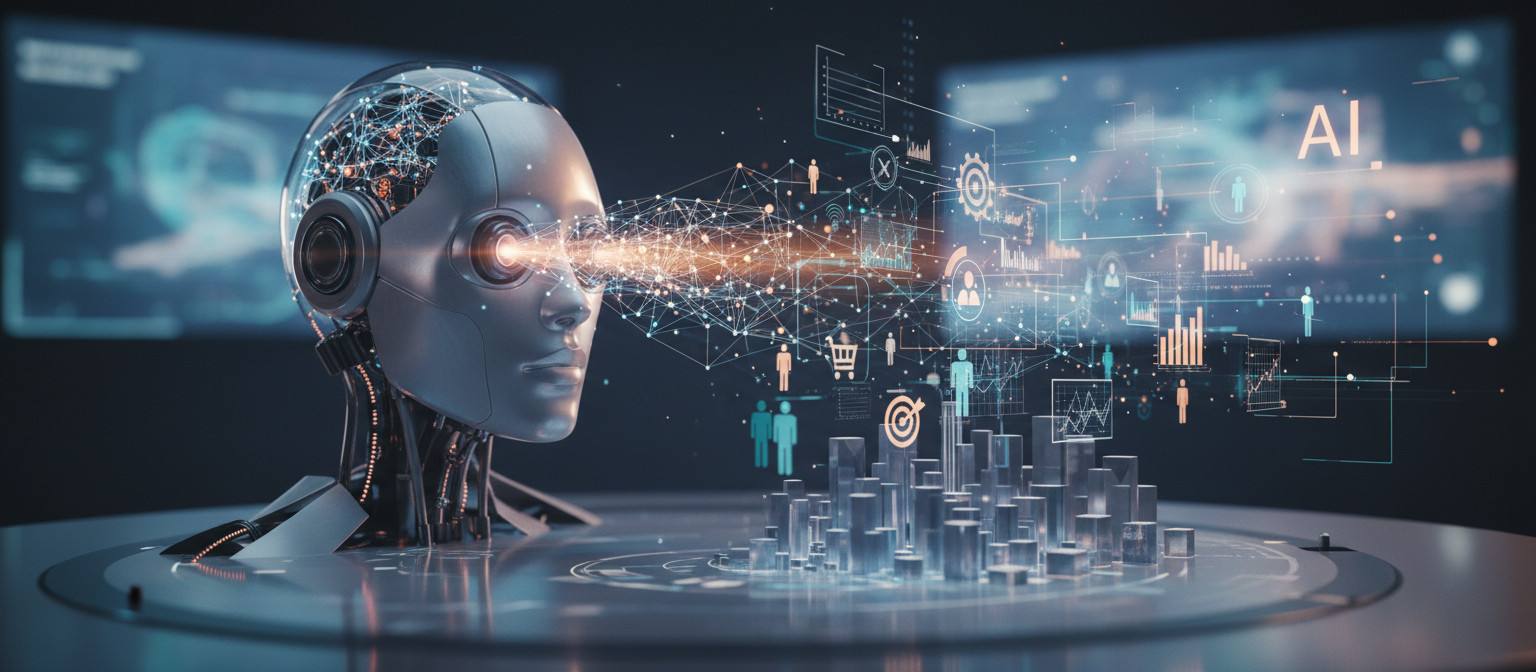
AI marketing refers to the utilization of artificial intelligence technologies to optimize marketing strategies and improve customer engagement. It encompasses a wide range of applications, from data analysis to automated customer interactions, all aimed at enhancing the marketing process.
The Importance of AI Marketing
In today’s fast-paced digital landscape, businesses are inundated with vast amounts of data. AI marketing helps companies efficiently process this data, enabling them to make informed decisions and tailor their marketing efforts to meet customer needs. The ability to analyze consumer behavior, predict trends, and personalize experiences is becoming essential for gaining a competitive edge.
Key Components of AI Marketing
- Data Analysis: AI tools can analyze customer data to identify patterns and insights that inform marketing strategies.
- Customer Segmentation: AI marketing facilitates the segmentation of customers into distinct groups for targeted campaigns.
- Predictive Analytics: By using historical data, AI can predict future customer behavior, allowing marketers to proactively adjust their strategies.
- Personalization: AI enables the delivery of personalized content and recommendations based on individual preferences.
Practical Applications of AI Marketing
Here are some real-world examples of how businesses are leveraging AI marketing:
- Chatbots: Many companies use AI-powered chatbots to provide instant customer service, answering frequently asked questions and guiding users through their purchasing journey.
- Content Creation: AI tools can generate personalized email campaigns or social media posts tailored to specific audiences, enhancing engagement.
- Ad Targeting: Platforms like Google Ads use AI algorithms to optimize ad placements based on user behavior, ensuring that ads reach the right audience.
- Social Media Analytics: AI can analyze social media interactions to gauge customer sentiment, helping brands to adapt their messaging accordingly.
How to Implement AI Marketing in Your Business
Integrating AI marketing into your business strategy can seem daunting, but here are some actionable steps to get started:
- Define Your Goals: Determine what you want to achieve with AI marketing, whether it’s improving customer engagement or increasing sales.
- Choose the Right Tools: Invest in AI marketing tools that align with your goals. Popular options include HubSpot, Salesforce, and Google Analytics.
- Gather and Analyze Data: Collect customer data from various sources and analyze it to identify patterns and insights.
- Test and Optimize: Implement your AI marketing strategies and continuously test their effectiveness, making adjustments as needed.
Related Concepts in AI Marketing
AI marketing is interconnected with several related concepts:
- Machine Learning: A subset of AI that focuses on the development of algorithms that allow computers to learn from and make predictions based on data.
- Big Data: Refers to the massive volume of data generated every second. AI marketing relies on big data analytics to derive meaningful insights.
- Customer Relationship Management (CRM): AI can enhance CRM systems by providing deeper insights into customer preferences and behaviors.
Conclusion: The Future of AI Marketing
AI marketing is not just a trend but a fundamental shift in how businesses approach marketing. By embracing AI technologies, companies can improve customer experiences, streamline operations, and achieve greater results. As the technology continues to evolve, staying informed and adaptable will be key to leveraging AI marketing effectively.
Call to Action
Ready to transform your marketing strategy? Start exploring AI marketing tools today and see how they can enhance your business operations and customer engagement.