
Understanding AI Chatbots
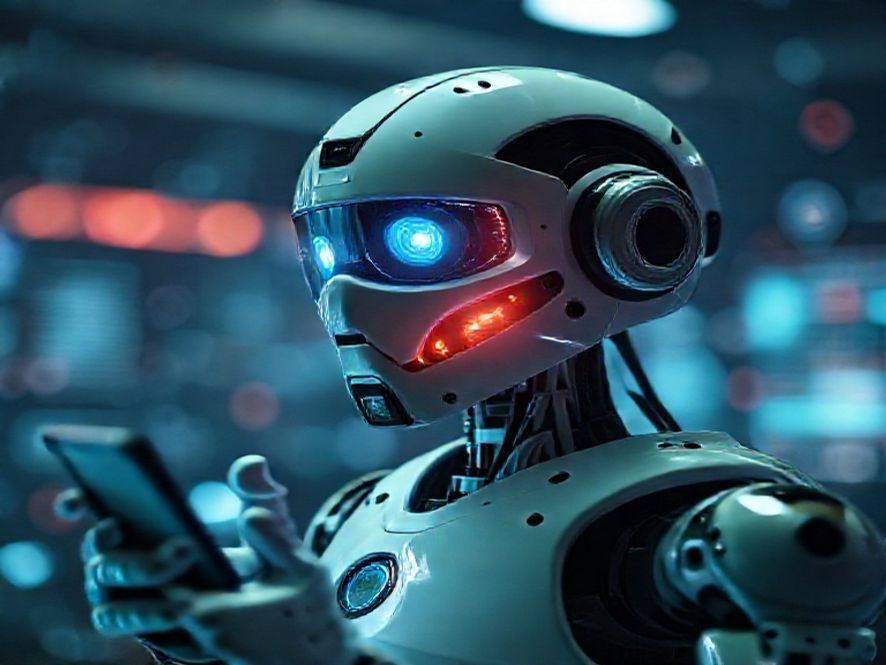
AI chatbots are sophisticated software programs designed to simulate human conversation through artificial intelligence. These chatbots utilize natural language processing (NLP) and machine learning algorithms to understand user input and provide relevant responses. The primary goal of AI chatbots is to facilitate communication between humans and machines, making interactions more seamless and efficient.
The Importance of AI Chatbots
In today’s digital landscape, AI chatbots play a pivotal role in enhancing user experience and streamlining operations across various industries. They are employed in customer service, e-commerce, healthcare, and more, serving as a bridge that connects users to the information and services they need. By automating repetitive tasks, AI chatbots help businesses save time and resources while improving customer satisfaction.
How Do AI Chatbots Work?
AI chatbots operate through a combination of several technologies:
- Natural Language Processing (NLP): This technology allows chatbots to understand and interpret human language, making them capable of grasping context and intent.
- Machine Learning (ML): AI chatbots learn from interactions, improving their responses over time based on user feedback and data analysis.
- Knowledge Base Integration: They can access vast databases of information to provide accurate answers and solutions to user queries.
For instance, when a user types a question about a product, the AI chatbot analyzes the input, retrieves relevant information from its database, and presents a coherent answer that addresses the user’s needs.
Real-World Applications of AI Chatbots
AI chatbots have numerous practical applications. Here are some examples:
1. Customer Support
Many companies leverage AI chatbots to handle customer inquiries 24/7. For example, a telecommunications company might use a chatbot to assist customers in troubleshooting issues, checking their account status, or making payments. This not only improves response times but also reduces the workload on human agents.
2. E-commerce
In e-commerce, AI chatbots can assist customers in finding products, answering questions about shipping, and providing personalized recommendations. For instance, a fashion retailer’s chatbot can suggest outfits based on user preferences, enhancing the shopping experience.
3. Healthcare
AI chatbots in healthcare can help patients schedule appointments, provide information on symptoms, or remind them to take medications. For example, a chatbot could guide a patient through pre-appointment questions, ensuring they have all necessary information ready.
4. Education
In the education sector, AI chatbots can serve as tutors, answering student questions and providing additional resources for study. A university might implement a chatbot to help students navigate their courses and deadlines, making the enrollment process smoother.
Benefits of Utilizing AI Chatbots
Integrating AI chatbots into business operations comes with several advantages:
- Cost-Effective: By automating routine tasks, businesses can reduce operational costs associated with customer service.
- 24/7 Availability: AI chatbots can operate around the clock, providing assistance to users at any time, which can significantly enhance user satisfaction.
- Scalability: Chatbots can handle multiple interactions simultaneously, allowing businesses to scale their customer service efforts without a proportional increase in resources.
- Data Collection: Interactions with chatbots can provide valuable insights into customer behavior and preferences, helping businesses refine their strategies.
How to Effectively Implement AI Chatbots
Implementing AI chatbots effectively requires careful planning and considerations:
- Define Clear Objectives: Determine what you want to achieve with your chatbot, whether it’s improving customer service, generating leads, or enhancing user engagement.
- Choose the Right Platform: Select a chatbot framework that aligns with your business needs and technical capabilities. Popular platforms include Dialogflow, Microsoft Bot Framework, and Amazon Lex.
- Design Conversational Flows: Create engaging and intuitive conversational pathways that guide users through their interactions and make it easy for them to find the information they need.
- Test and Optimize: Regularly test your chatbot’s performance and gather user feedback to continuously improve its functionality and user experience.
Related Concepts
To fully understand AI chatbots, it’s essential to explore related concepts:
- Artificial Intelligence (AI): The broader field that encompasses various technologies enabling machines to perform tasks that typically require human intelligence.
- Natural Language Processing (NLP): A subfield of AI focused on the interaction between computers and humans through natural language.
- Machine Learning (ML): A subset of AI that enables systems to learn from data and improve their performance without explicit programming.
- Voice Assistants: AI-driven applications like Siri and Alexa that enable voice interactions and are similar in functionality to chatbots.
Conclusion: Embracing the Future with AI Chatbots
AI chatbots represent a significant technological advancement that can transform how businesses interact with their customers. By understanding their functionalities, applications, and benefits, organizations can leverage these tools to enhance user experience and streamline their operations. As AI continues to evolve, the potential for chatbots to improve communication and efficiency will only grow.
As you explore the capabilities of AI chatbots, consider how you might integrate them into your daily life or business processes. Whether you’re a student seeking information, a professional enhancing customer engagement, or simply someone curious about technology, AI chatbots are paving the way for more intuitive, responsive interactions in our digital world.