
Understanding IT Infrastructure
IT Infrastructure refers to the integrated set of physical and virtual components that support the delivery of IT services. This includes hardware, software, networking components, and data storage systems. As businesses increasingly rely on technology, understanding IT infrastructure becomes essential for effective operations.
Why IT Infrastructure is Important
In today’s digital landscape, IT infrastructure plays a critical role in ensuring that organizations can operate efficiently and effectively. A robust IT infrastructure enables businesses to:
- Enhance operational efficiency
- Improve data management and security
- Facilitate business continuity and disaster recovery
- Support scalability and flexibility in operations
For instance, a company with a strong IT infrastructure can quickly adapt to market changes or customer demands, thereby gaining a competitive edge.
Components of IT Infrastructure
IT infrastructure is composed of several key components:
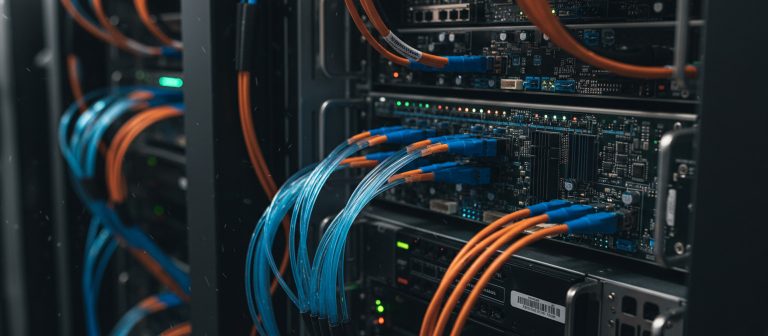
- Hardware: This includes servers, computers, data centers, and cables.
- Software: Applications and operating systems that run on the hardware.
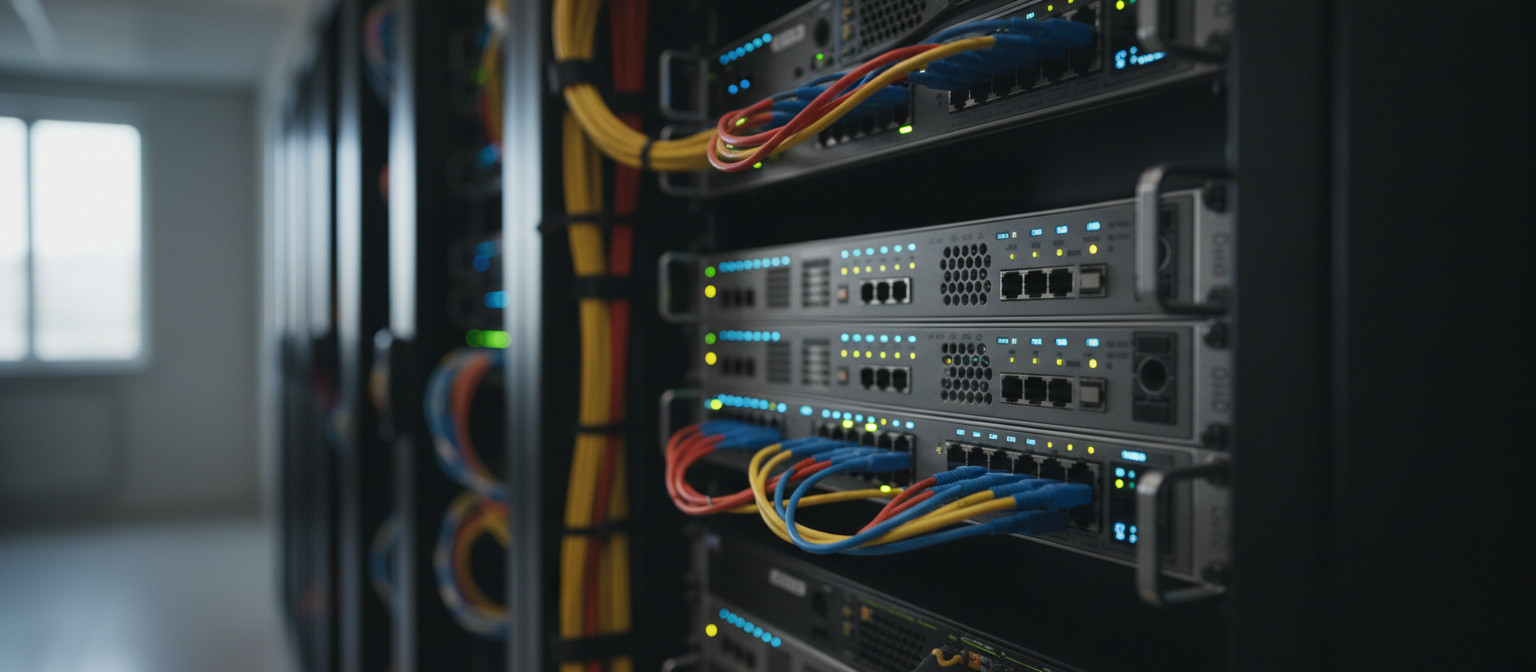
- Networking: Routers, switches, and other devices that facilitate communication.
- Data Storage: Systems that store and manage data, such as databases and cloud storage.
For example, a cloud service provider like Amazon Web Services (AWS) offers a comprehensive IT infrastructure that businesses can leverage without the need to invest in physical hardware.
Real-World Applications of IT Infrastructure
Understanding how to utilize IT infrastructure can significantly impact a business’s success. Here are some practical applications:
- Cloud Computing: Companies use cloud services to store data and run applications without maintaining physical servers.
- Remote Work: A strong IT infrastructure supports remote work setups, allowing employees to access company resources securely from anywhere.
- Data Analysis: Businesses leverage IT infrastructure to collect and analyze data, enabling informed decision-making.
For instance, a retail company may use IT infrastructure to analyze customer purchasing patterns to optimize inventory management.
How to Optimize IT Infrastructure
To maximize the effectiveness of your IT infrastructure, consider the following strategies:
- Regular Updates: Keep software and hardware updated to protect against vulnerabilities.
- Scalability: Ensure your infrastructure can grow with your business needs.
- Monitoring: Implement monitoring tools to identify and address issues proactively.
For example, using performance monitoring tools can help detect slowdowns in network traffic, allowing for timely intervention.
Related Concepts in IT Infrastructure
Several concepts are closely related to IT infrastructure, including:
- Cloud Computing: The delivery of computing services over the internet.
- Networking: The interconnection of devices to share resources.
- Data Management: Strategies for handling and processing data effectively.
These concepts work together to create a cohesive IT environment that supports business objectives.
Practical Applications of IT Infrastructure in Everyday Life
IT infrastructure is not just for large organizations; it also applies to individuals and small businesses. Here are some ways to incorporate it into daily activities:
- Utilizing Cloud Storage: Services like Google Drive or Dropbox can help you manage personal files easily.
- Remote Access: Use VPNs to secure your connection when accessing public Wi-Fi.
- Data Backup: Regularly back up important files to avoid data loss.
By understanding and leveraging IT infrastructure, anyone can enhance their technological capabilities and efficiency.
Conclusion
IT Infrastructure is a foundational component of modern business and personal technology. By grasping its core concepts, components, and applications, individuals and organizations can optimize their operations for better performance and security. Reflect on how you can apply these insights into your daily activities or business practices to unlock greater potential and efficiency.