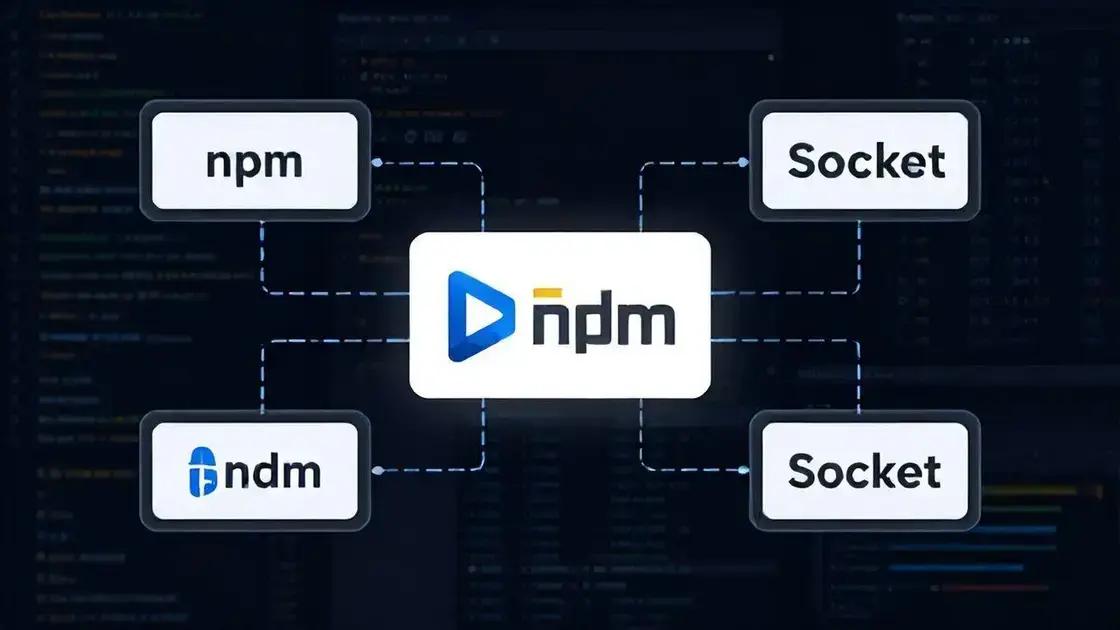

Continuous monitoring is crucial for ensuring supply chain security. It involves the real-time tracking of package vulnerabilities and risks, allowing developers to respond quickly to potential threats. By integrating tools like Socket, teams can maintain ongoing oversight, detect vulnerabilities early, and ensure compliance with security standards. This proactive approach not only protects applications but also builds user trust, making continuous monitoring an essential part of modern software development practices.
npm security is becoming increasingly vital for developers managing complex systems. With the integration of Socket, assessing supply chain risks has never been easier. Dive in to learn how!
Introduction to npm Security Analysis
npm security analysis is crucial for developers today. It helps identify vulnerabilities in packages used in projects. With many packages available, knowing which ones are safe is essential. Developers need to ensure that their applications are secure from threats.
What is npm?
npm stands for Node Package Manager. It is a tool that helps developers manage packages in JavaScript projects. These packages contain code that can be reused in applications. Using npm makes it easier to share and update code.
Why is Security Important?
Security is vital because vulnerabilities can lead to data breaches and other issues. A single flaw in a package can compromise an entire application. This is why developers must regularly check the security of the packages they use.
How Does npm Security Analysis Work?
npm security analysis scans packages for known vulnerabilities. It compares the packages in your project against a database of reported issues. If it finds a problem, it alerts the developer. This way, developers can take action before any damage occurs.
Using Socket for Enhanced Security
Socket is a tool that enhances npm security analysis. It provides deeper insights into package vulnerabilities. Socket checks not just for known issues but also for potential risks. This makes it a powerful ally for developers.
By using npm security analysis, developers can maintain a safer codebase. Regularly checking for vulnerabilities helps protect applications from attacks. It is a simple yet effective way to ensure security in software development.
Understanding Socket Integration for Developers
Socket integration is a game changer for developers. It enhances security and helps manage package vulnerabilities effectively. By using Socket, developers can gain insights that go beyond basic npm security checks.
What is Socket?
Socket is a tool designed to improve the security of JavaScript applications. It analyzes packages and their dependencies in real-time. This means developers can catch potential security issues as they arise, not just after the fact.
How Does Socket Work?
Socket works by monitoring the packages in your project. It checks for vulnerabilities and alerts developers immediately. This proactive approach helps prevent security breaches before they happen. Developers can see which packages are safe and which ones need attention.
Benefits of Using Socket
One major benefit of using Socket is its detailed analysis. It provides a comprehensive view of package security. Developers can understand the risks associated with each package they use. This knowledge allows them to make informed decisions about their code.
Integrating Socket into Your Workflow
Integrating Socket is straightforward. Developers can add it to their existing npm projects easily. Once integrated, it runs in the background, continuously checking for vulnerabilities. This means developers can focus on coding without worrying about security issues.
Socket also offers reports that highlight security risks. These reports can help teams prioritize which issues to address first. By using Socket, developers can enhance their overall security posture and protect their applications.
Incorporating Socket into development practices is a smart move. It not only improves security but also builds confidence in the codebase. With Socket, developers can ensure that their applications are safe and reliable.
Evaluating Package Safety with Socket Metrics
Evaluating package safety is essential for developers. Socket metrics provide valuable insights into the security of packages. By using these metrics, developers can make informed choices about which packages to include in their projects.
What are Socket Metrics?
Socket metrics are data points that help assess the safety of software packages. They include information about known vulnerabilities, usage patterns, and package popularity. This data helps developers understand the risks associated with each package.
How to Use Socket Metrics
Using Socket metrics is straightforward. Developers can access these metrics through the Socket platform. Once you have the data, you can analyze it to identify potential risks. For example, if a package has many vulnerabilities, it might be wise to avoid it.
Understanding Vulnerabilities
Vulnerabilities are weaknesses in software that can be exploited by attackers. Socket metrics track these vulnerabilities and provide alerts when new ones are discovered. This allows developers to stay updated on the safety of their packages.
Importance of Package Popularity
Package popularity is another important metric. Popular packages are often more reliable because they are used by many developers. They usually receive more frequent updates and fixes. By checking the popularity of a package, developers can gauge its trustworthiness.
Socket metrics also show how often a package is updated. Regular updates indicate that the maintainers are actively fixing issues. This is a good sign of a safe package. Developers should prioritize packages that are well-maintained.
Making Informed Decisions
With Socket metrics, developers can make better decisions about package selection. By evaluating safety, they can reduce the risk of security breaches. This proactive approach helps protect applications from potential threats.
Incorporating Socket metrics into the development process is a smart move. It not only enhances security but also builds confidence in the codebase. By using these metrics, developers can ensure their applications are safe and reliable.
Continuous Monitoring for Supply Chain Security
Continuous monitoring is vital for maintaining supply chain security. It helps identify risks and vulnerabilities in real-time. By keeping an eye on your supply chain, you can act quickly to protect your applications.
Why Continuous Monitoring Matters
Supply chains are complex. They involve many different packages and dependencies. This complexity can lead to security gaps. Continuous monitoring helps close these gaps by providing ongoing visibility into potential threats.
How to Implement Continuous Monitoring
Implementing continuous monitoring starts with choosing the right tools. Tools like Socket can help track package vulnerabilities. These tools provide alerts when new risks are detected. This way, developers can respond promptly.
Benefits of Ongoing Oversight
Ongoing oversight offers several benefits. First, it allows for quick detection of vulnerabilities. Second, it helps maintain compliance with security standards. Third, it builds trust with users who rely on your applications.
Integrating Monitoring into Your Workflow
Integrating monitoring into your workflow is essential. It should be part of your development process from the start. This means setting up alerts and regularly reviewing your security posture. Make sure your team knows how to respond to alerts effectively.
Staying Ahead of Threats
Continuous monitoring keeps you ahead of potential threats. By regularly checking for vulnerabilities, you can prevent attacks before they happen. This proactive approach is crucial in today’s fast-paced digital landscape.
Developers should also share findings with their teams. Open communication about security risks helps everyone stay informed. It ensures that all team members understand the importance of supply chain security.
Incorporating continuous monitoring into your security strategy is a smart move. It not only protects your applications but also enhances your overall security posture. By staying vigilant, you can safeguard your supply chain and build user confidence.