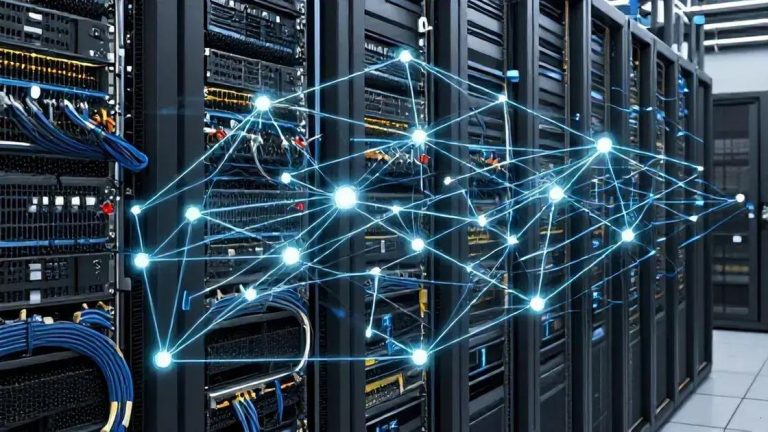

gstack is an innovative platform that enhances AI development by providing structured workflows for teams. it improves collaboration and efficiency by clarifying roles, simplifying task management, and enabling real-time communication. with gstack, teams can easily track progress, manage tasks, and adapt quickly to changes, making it a vital tool for successful software engineering projects.
gstack is here to change the way we think about AI development. Imagine transforming your AI assistant into a disciplined engineering team, ready to tackle any challenge. Curious how this can elevate your projects? Let’s dive in!
Understanding gstack: The Future of AI Development
gstack is changing the way we think about AI development. it offers a structured approach to building AI systems. this method can help teams work better together. by organizing tasks and workflows, gstack makes sure everyone knows their role. this clarity can lead to faster project completion.
What is gstack?
gstack is a platform designed to streamline AI development. it helps engineers manage their projects more effectively. with gstack, teams can break down complex tasks into smaller, manageable parts. this makes it easier to track progress and make adjustments along the way.
Why Structure Matters
Having a structured workflow is essential for success. it allows teams to work more efficiently. when everyone knows what to do, projects can move forward smoothly. gstack emphasizes this structure, which can reduce confusion and errors. this is especially important in AI, where precision is key.
Moreover, a clear structure helps in communication. team members can easily share updates and feedback. this open communication fosters collaboration and innovation. with gstack, teams can focus on creativity instead of getting lost in chaos.
How gstack Enhances AI Development
gstack provides tools that support the entire AI development process. from planning to execution, it covers all bases. teams can use gstack to set goals, assign tasks, and monitor progress. this comprehensive approach ensures that nothing falls through the cracks.
Additionally, gstack integrates with existing tools. this means teams can keep using their favorite software while benefiting from gstack’s structure. this flexibility makes it easier for teams to adopt gstack without disrupting their current workflows.
In conclusion, gstack is paving the way for the future of AI development. by emphasizing structure and collaboration, it helps teams achieve their goals more effectively. as AI continues to evolve, tools like gstack will be crucial in shaping its development.
The Importance of Structured Workflows in Software Engineering
Structured workflows are crucial in software engineering. They help teams stay organized and focused. When everyone knows their tasks, projects run smoothly. This clarity reduces mistakes and boosts productivity. Without structure, teams can easily become confused and overwhelmed.
What Are Structured Workflows?
Structured workflows are organized processes that guide how work gets done. They break down projects into clear steps. Each team member knows what to do and when to do it. This approach helps in managing time and resources effectively.
Benefits of Structured Workflows
One major benefit of structured workflows is improved communication. Team members can easily share updates and feedback. This open dialogue fosters collaboration. It also helps in identifying issues early on. When problems arise, a structured workflow makes it easier to find solutions.
Another benefit is efficiency. With clear steps, teams can avoid unnecessary delays. They can focus on completing tasks rather than figuring out what to do next. This leads to faster project completion and higher quality work.
How to Create Structured Workflows
Creating structured workflows starts with defining the project goals. What do you want to achieve? Once you have clear goals, break them down into smaller tasks. Assign these tasks to team members based on their strengths and skills.
Using project management tools can help in this process. These tools allow teams to track progress and make adjustments as needed. They can visualize workflows, making it easier to see where things stand. Regular check-ins can also keep everyone on the same page.
In software engineering, structured workflows are especially important. They help manage complex projects with many moving parts. By keeping everything organized, teams can deliver high-quality software on time.
In summary, structured workflows are essential for success in software engineering. They improve communication, boost efficiency, and help teams stay focused. By implementing clear processes, teams can work better together and achieve their goals.
How gstack Enhances Team Collaboration and Efficiency
gstack is a powerful tool that enhances team collaboration and efficiency. It provides a clear framework for teams to work together. With gstack, everyone knows their roles and responsibilities. This clarity helps reduce confusion and keeps projects on track.
Improved Communication
One of the key features of gstack is its focus on communication. It allows team members to share updates easily. Everyone can see what others are working on. This transparency fosters a sense of teamwork. When people communicate well, projects move faster.
Task Management Made Easy
gstack simplifies task management. Teams can break down projects into smaller tasks. Each task can be assigned to specific members. This division of labor makes it easier to track progress. Team members can focus on their assigned tasks without getting overwhelmed.
Moreover, gstack allows for setting deadlines and priorities. This helps teams stay organized and meet their goals. When everyone knows what needs to be done and by when, efficiency increases.
Real-Time Collaboration
With gstack, collaboration happens in real time. Team members can work together on tasks, even if they are not in the same location. This flexibility is crucial in today’s work environment. It allows teams to adapt and respond quickly to changes.
For example, if someone has a question, they can ask it right away. This immediate feedback loop helps solve problems faster. Teams can make decisions quickly, leading to better outcomes.
Tracking Progress and Performance
gstack also provides tools for tracking progress. Teams can see how much work has been completed. This visibility helps in identifying any roadblocks. If a project is falling behind, teams can address the issue before it becomes a bigger problem.
Additionally, gstack offers insights into team performance. Managers can see which areas are working well and which need improvement. This data-driven approach helps teams continuously improve their processes.
In summary, gstack enhances team collaboration and efficiency through improved communication, easy task management, real-time collaboration, and progress tracking. By using gstack, teams can work better together and achieve their goals more effectively.