
Understanding Programming Interviews
Programming interviews are a crucial component of the hiring process in the tech industry. They assess a candidate’s problem-solving abilities, coding skills, and overall technical knowledge. These interviews can take various forms, including live coding sessions, algorithm challenges, and system design discussions. In this guide, we will delve into the intricacies of programming interviews, exploring their importance, common formats, and practical applications.
The Importance of Programming Interviews
In a rapidly evolving tech landscape, programming interviews serve as a gateway for companies to identify top talent. They help employers gauge not only the technical prowess of candidates but also their ability to think critically and approach problems methodically. Here are some key reasons why programming interviews are essential:
- Skill Assessment: They provide a platform for evaluating a candidate’s coding skills under pressure.
- Problem-Solving: Candidates demonstrate their ability to tackle complex problems with effective solutions.
- Cultural Fit: Through discussions about past projects and experiences, interviewers assess whether a candidate aligns with the company’s values.
Common Types of Programming Interviews
Understanding the different types of programming interviews can help candidates prepare effectively. Here are the most common formats:
1. Technical Screenings
These are initial screenings that often include a mix of behavioral questions and technical challenges. Candidates may be asked to solve problems or answer questions related to data structures and algorithms. For example, a candidate might be asked to implement a sorting algorithm or optimize existing code.
2. Live Coding Interviews
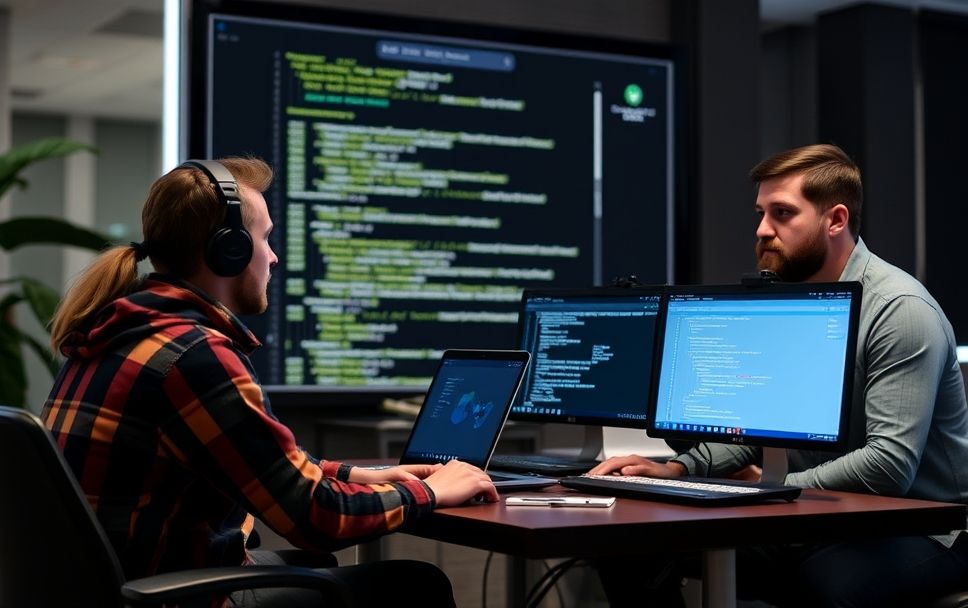
In live coding interviews, candidates write code in real-time while being observed by an interviewer. This format tests not only coding skills but also communication and collaboration abilities. For instance, a candidate might be asked to solve a problem using a shared coding platform, explaining their thought process as they work.
3. System Design Interviews
These interviews focus on a candidate’s ability to architect scalable systems. Candidates are often asked to design a system, such as a social media platform or an online shopping site, detailing the components and technologies involved. This type of interview assesses high-level thinking and understanding of distributed systems.
4. Behavioral Interviews
While not strictly technical, behavioral interviews are essential in assessing how candidates handle various situations. Questions often revolve around past experiences and how candidates have approached challenges or worked within teams. For example, an interviewer might ask how a candidate managed a project under tight deadlines.
Preparing for Programming Interviews
A successful programming interview requires thorough preparation. Here are some strategies that candidates can use:
- Practice Coding: Utilize platforms like LeetCode, HackerRank, or CodeSignal to practice coding challenges.
- Study Data Structures and Algorithms: A solid understanding of fundamental data structures (e.g., arrays, trees, graphs) is crucial.
- Mock Interviews: Participate in mock interviews to simulate the real atmosphere and receive feedback.
- Review Past Experiences: Prepare to discuss previous projects, focusing on challenges faced and solutions implemented.
Applications of Programming Interviews in Daily Life
Programming interviews are not just for job seekers; they offer valuable skills applicable to everyday problem-solving. Here’s how:
- Enhanced Problem-Solving Skills: The techniques learned during preparation can be applied to personal and professional projects.
- Collaboration and Communication: Practicing coding interviews helps improve the ability to articulate thoughts and solutions clearly.
- Confidence Building: Successfully navigating interviews boosts confidence, preparing individuals for future challenges.
Related Concepts in Programming and Tech Recruitment
Understanding programming interviews can be enhanced by exploring related concepts:
- Technical Assessments: Broader evaluations that may include coding tests, system design questions, and behavioral interviews.
- Recruitment Processes: The overall journey from job application to offer acceptance, highlighting the role of interviews.
- Career Development: Continuous learning and skill enhancement that can influence future interview success.
Conclusion
Programming interviews are a vital part of the tech hiring landscape, serving as a bridge between candidates and their prospective employers. By understanding their significance, types, and preparation strategies, candidates can approach these interviews with confidence. Remember, the skills developed in the process extend far beyond interviews, enhancing problem-solving abilities and fostering a robust technical foundation.
As you reflect on your journey in preparing for programming interviews, consider how you can implement these strategies not just for job acquisition, but for continuous growth in your tech career.