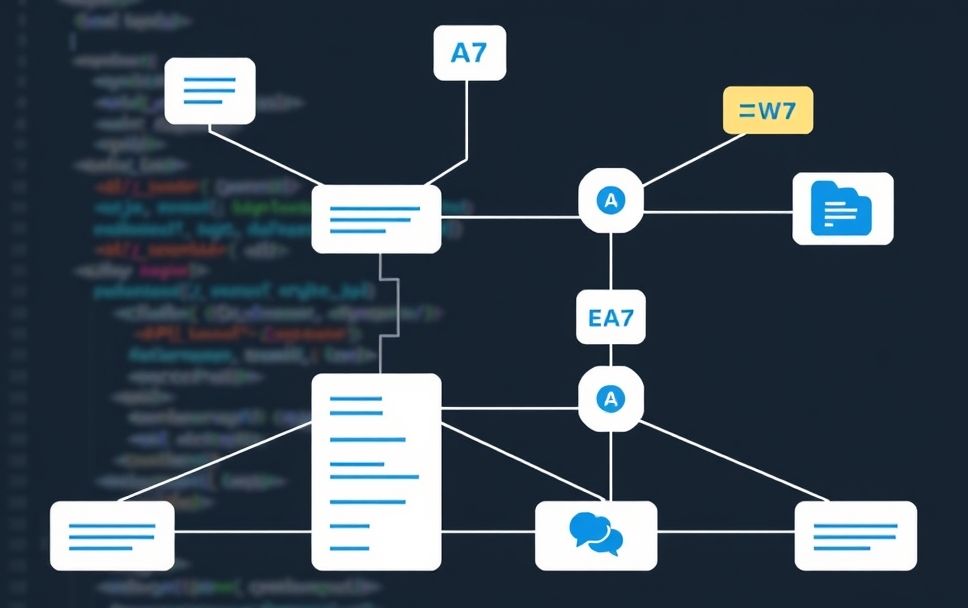

Understanding API Development
API development, or Application Programming Interface development, refers to the process of creating interfaces that allow different software applications to communicate with each other. APIs serve as a bridge that enables developers to access certain functionalities or data from other applications or services without needing to understand their internal workings. This concept is crucial in today’s interconnected software landscape, where various applications must work together seamlessly.
The Importance of API Development in Modern Applications
In an era where digital transformation is paramount, the significance of API development cannot be overstated. APIs facilitate integration between different systems, enabling businesses to leverage existing technologies while creating new functionalities. They promote innovation by allowing developers to build on top of existing platforms, leading to faster and more efficient software development cycles.
- **Scalability**: APIs allow applications to scale efficiently by enabling modular architecture.
- **Interoperability**: Different systems can communicate, breaking down silos in organizations.
- **Faster Development**: Developers can reuse existing APIs instead of building functionalities from scratch.
Key Components of API Development
When diving into API development, several fundamental components should be considered:
- API Design: A well-designed API is user-friendly, intuitive, and aligns with the needs of its consumers. Good API design involves defining clear endpoints, methods, and data formats.
- Documentation: Comprehensive documentation is crucial for successful API adoption. It should include usage examples, response formats, and error handling information.
- Security: APIs must be secured to prevent unauthorized access. Techniques such as OAuth, API keys, and HTTPS should be implemented to safeguard data.
- Testing: Thorough testing ensures that the API performs as expected and can handle the expected load. Automated tests can help maintain performance over time.
Common API Development Tools and Technologies
Various tools and technologies aid in the process of API development. Here are some popular ones:
- Postman: A collaborative platform for API development that allows developers to design, test, and document APIs.
- Swagger: A powerful open-source framework for API documentation and design, which provides a user-friendly interface for developers.
- API Gateways: Tools like Amazon API Gateway or Kong manage and secure API traffic, providing features such as rate limiting and monitoring.
- Frameworks: Many programming languages offer frameworks for API development, such as Express.js for Node.js or Flask for Python.
Real-World Applications of API Development
APIs are widely used across various industries. Here are a few practical examples of their applications:
- E-commerce Platforms: APIs allow online stores to integrate payment gateways, manage inventories, and connect to shipping services, providing a seamless customer experience.
- Social Media Integration: Many applications use APIs to allow users to share content across platforms like Facebook and Twitter, enhancing user engagement.
- Mobile Applications: Mobile apps often rely on APIs to fetch data from servers, enabling functionalities like user authentication and real-time updates.
- Cloud Services: APIs enable integration with cloud services, allowing businesses to scale their operations and access resources on-demand.
Best Practices for API Development
To ensure the effectiveness of your API, consider the following best practices:
- **Versioning**: Implement versioning in your API to manage changes without disrupting existing users.
- **Error Handling**: Provide clear error messages and codes to help developers troubleshoot issues effectively.
- **Rate Limiting**: Protect your API from abuse by limiting the number of requests a user can make in a given timeframe.
- **Monitoring and Analytics**: Set up monitoring tools to track usage patterns and performance, allowing for continuous improvement.
How to Get Started with API Development
If you are looking to dive into API development, here’s a step-by-step approach:
- Identify the Purpose: Define what functionality your API will provide and who its intended users are.
- Design the API: Use tools like Swagger to create a draft of your API design, including endpoints and data structures.
- Develop the API: Choose a programming language and framework that suits your needs, then start coding.
- Test Thoroughly: Use testing tools to ensure your API works as expected across different scenarios.
- Deploy and Monitor: Launch your API and set up monitoring to track performance and user feedback.
Related Concepts in API Development
Understanding related concepts can enhance your grasp of API development. Here are a few:
- Microservices: An architectural style where applications are built as a collection of small, independent services that communicate through APIs.
- REST and SOAP: Two common architectural styles for designing networked applications. REST is more flexible and widely used in modern web APIs.
- GraphQL: A query language for APIs that allows clients to request only the data they need, leading to more efficient data retrieval.
Conclusion: Embracing the Future of API Development
API development is foundational to modern software design and integration. By understanding its principles and best practices, developers can create robust interfaces that enhance functionality and user experience. As technology continues to evolve, staying informed about API advancements will empower developers to build innovative solutions that address ever-changing user needs.
Remember, the future of software is interconnected, and mastering API development is a crucial step in your journey as a developer. Begin experimenting with APIs today and see how they can transform your projects!