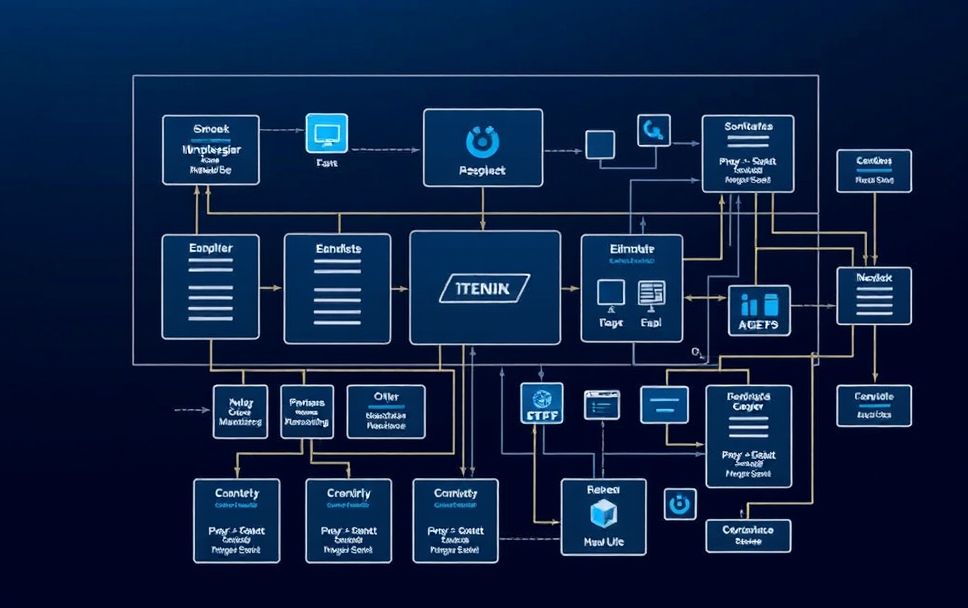

Understanding Software Architecture
Software architecture is the high-level structure of a software system, defining its components, their relationships, and how they interact. This foundational concept in software engineering plays a crucial role in determining the non-functional properties of a system, such as performance, security, and maintainability. It serves as a blueprint for both the system and the project developing it, ensuring that all stakeholders have a clear understanding of the system’s design.
The Importance of Software Architecture
In today’s technology-driven world, the importance of software architecture cannot be overstated. Here are some key reasons why:
- Facilitates Communication: A well-defined architecture promotes better communication among team members and stakeholders by providing a common understanding of the system.
- Guides Development: It serves as a guiding framework for developers, helping them to make informed decisions throughout the software development lifecycle.
- Enhances Quality: A robust architecture improves the overall quality of the software, making it easier to maintain and scale.
- Reduces Risks: Identifying potential risks early in the design phase helps in mitigating issues before they arise.
Key Components of Software Architecture
The architecture of software systems consists of several key components:
- Modules: These are the building blocks of a software system, representing distinct functionalities.
- Interfaces: Interfaces define how different modules interact with each other, ensuring smooth communication.
- Data Management: Effective data management strategies are essential for handling the data flow within the system.
- Security Measures: Incorporating security at the architectural level protects the system from potential threats.
Types of Software Architecture
There are various architectural styles, each suited for different types of applications. Here are some of the most common:
- Monolithic Architecture: This is a traditional model where all components are integrated into a single program. While simple, it can become unwieldy as applications grow.
- Microservices Architecture: In this approach, applications are composed of small, independent services that communicate over well-defined APIs, allowing for greater flexibility and scalability.
- Event-Driven Architecture: This architecture revolves around the production, detection, and reaction to events, making it ideal for applications that require real-time processing.
- Layered Architecture: A common approach where the system is divided into layers, each responsible for a specific aspect of the application, such as presentation, business logic, and data access.
Applications of Software Architecture in Real-World Scenarios
Understanding software architecture is essential for implementing solutions in real-world scenarios. Here are a few examples:
- E-commerce Platforms: For a large-scale e-commerce site, a microservices architecture can provide flexibility, enabling teams to deploy new features independently without affecting the entire system.
- Banking Systems: Security is paramount in banking applications. A layered architecture can help isolate sensitive data and processes, making it easier to implement robust security measures.
- Real-Time Analytics: Event-driven architectures are commonly used in applications that analyze large streams of data in real-time, such as social media platforms or IoT systems.
How to Implement Software Architecture in Your Projects
To effectively use software architecture in your day-to-day projects, consider the following steps:
- Define Requirements: Gather and analyze the functional and non-functional requirements of your application.
- Select an Architectural Style: Choose an architecture that aligns with your project goals and resource capabilities.
- Create Architectural Diagrams: Visualize the architecture using diagrams to facilitate better understanding among team members.
- Iterate and Refine: Architecture is not static. Be prepared to iterate and refine your design as new requirements emerge.
Related Concepts in Software Architecture
Software architecture is closely related to several other concepts in the field of software engineering:
- Design Patterns: These are standardized solutions to common design problems in software development.
- Software Development Life Cycle (SDLC): The process that encompasses all stages of software development, from planning to maintenance.
- DevOps: A set of practices that combine software development and IT operations, emphasizing collaboration and automation.
Conclusion
In summary, software architecture is a crucial aspect of software development that impacts every phase of the software lifecycle. By understanding and applying architectural principles, developers can create robust, scalable, and maintainable systems that meet user needs effectively. Whether you’re working on a small application or a large enterprise system, a solid architectural foundation can lead to long-term success.
As you move forward in your projects, take a moment to reflect on how you can implement effective software architecture principles to enhance your development practices and ultimately deliver better solutions to your users.