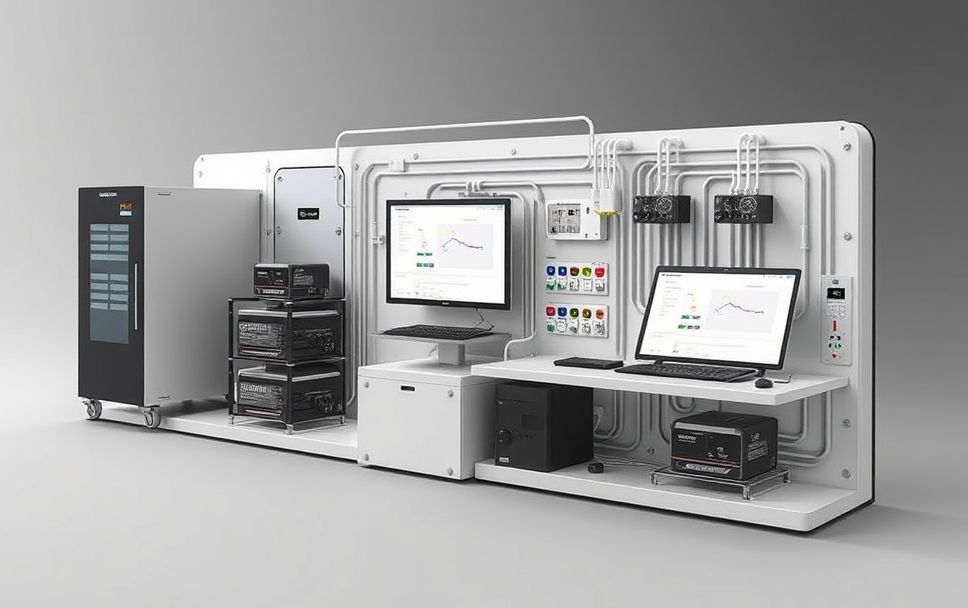

Understanding System Design
System Design refers to the process of defining the architecture, components, modules, interfaces, and data for a system to satisfy specified requirements. It is a critical aspect of software engineering that embraces both high-level design and detailed design of systems.
At its core, System Design involves creating a blueprint for how a system will operate, including the various elements that make it function effectively. This encompasses both hardware and software components, ensuring that they work harmoniously to deliver the desired functionality.
Importance of System Design in Information Technology
In the fast-paced world of technology, System Design plays a vital role in ensuring that applications and services are scalable, reliable, and efficient. A well-designed system can handle increased loads and adapt to changing requirements, which is crucial for businesses aiming for growth.
Moreover, effective System Design minimizes risks and reduces costs associated with development and maintenance. By anticipating potential issues and designing systems that are resilient and adaptable, IT professionals can save time and resources in the long run.
Key Components of System Design
Understanding the various components of System Design is essential for creating robust systems. Here are some fundamental aspects:
- Architecture: Refers to the overall structure of the system, including how different components interact.
- Modules: Individual parts of the system that perform specific functions, allowing for modular design.
- Interfaces: Points of interaction between different system components, ensuring seamless communication and data exchange.
- Data Management: Involves how data is stored, retrieved, and processed within the system.
Examples of System Design
Let’s explore some practical examples to illustrate System Design:
- Web Application: Designing a web app like an e-commerce platform involves defining user interfaces, database schemas, and server-side logic, ensuring that users can browse products seamlessly.
- Microservices Architecture: In a microservices approach, each service is designed independently, allowing for scalability and easier maintenance. For instance, a payment service in an online store can be developed and deployed separately from the product catalog service.
- Cloud Systems: When designing systems for the cloud, considerations for load balancing, redundancy, and failover mechanisms are crucial to ensure high availability.
Applications of System Design in Daily Operations
System Design has real-world applications that can enhance productivity and efficiency in daily operations:
- Performance Optimization: By analyzing system bottlenecks and redesigning components, IT professionals can improve system performance, leading to faster load times and better user experiences.
- Scalability Planning: Understanding how to design systems that can scale allows businesses to accommodate growing user bases without compromising service quality.
- Security Enhancements: Designing systems with security in mind helps to protect sensitive data and maintain user trust.
Common Challenges in System Design
While System Design is essential, it also comes with its challenges, including:
- Complexity: Systems can become overly complex, making them difficult to manage and maintain.
- Integration Issues: Ensuring that different components work together can be a significant challenge, especially in large systems.
- Changing Requirements: Business needs can evolve, necessitating changes to the system design, which can be time-consuming and costly.
Concepts Related to System Design
To gain a deeper understanding of System Design, it’s beneficial to explore related concepts:
- Software Architecture: Focuses on the high-level structure of software systems and how they interact.
- Database Design: Involves creating a detailed plan for storing and managing data within a system.
- API Design: Refers to the process of designing application programming interfaces that allow different software applications to communicate.
Conclusion: The Practical Value of System Design
In conclusion, mastering System Design is crucial for IT professionals who wish to build efficient, scalable, and maintainable systems. Understanding its components, applications, and related concepts can empower developers and system administrators to create robust solutions that meet user needs and business goals.
Reflect on how the principles of System Design can be applied in your daily tasks. Whether you’re optimizing a web application or planning a new service, integrating these concepts will enhance your effectiveness and contribute to your organization’s success.