
Understanding Smart Devices
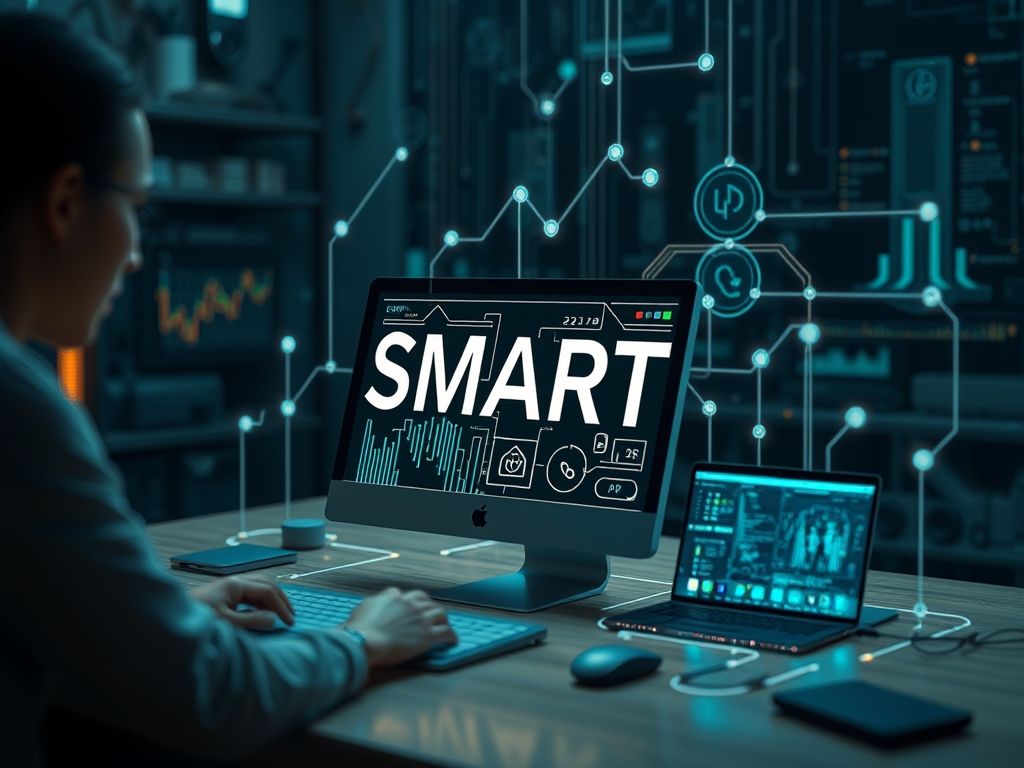
Smart devices refer to electronic devices that connect to the internet and can be controlled remotely. This category includes a wide range of gadgets, from smartphones and tablets to smart home appliances and wearable technology. Their primary feature is the ability to communicate with other devices and systems over the internet, allowing users to monitor and manage them from anywhere.
The Importance of Smart Devices in Today’s World
As technology evolves, the significance of smart devices continues to grow. They enhance our daily lives by providing convenience, efficiency, and improved connectivity. For instance, smart home devices can automate routine tasks, such as adjusting thermostats or controlling lighting, which not only saves time but also energy. In the professional realm, smart devices can streamline operations, improve productivity, and facilitate remote work.
Key Features of Smart Devices
- Internet Connectivity: Smart devices are designed to connect to the internet, allowing for real-time data exchange.
- Remote Control: Users can manage smart devices remotely through smartphone apps or web interfaces.
- Automation: Many smart devices can automate tasks based on user preferences or environmental conditions.
- Integration: Smart devices can integrate with each other, forming a cohesive ecosystem that enhances functionality.
Applications of Smart Devices in Various Fields
Smart devices find applications across multiple industries, enhancing efficiency and user experience. Here are some practical examples:
- Healthcare: Wearable devices, like fitness trackers and smartwatches, monitor health metrics such as heart rate, sleep patterns, and physical activity.
- Home Automation: Smart thermostats, lights, and security systems allow homeowners to automate their living environment for security and energy efficiency.
- Industrial Automation: In manufacturing, smart sensors and IoT devices monitor equipment performance to predict failures and reduce downtime.
- Transportation: Smart vehicles use connected technologies to improve navigation, enhance safety, and provide real-time traffic updates.
How to Utilize Smart Devices in Everyday Life
Incorporating smart devices into your daily routine can significantly enhance your lifestyle. Here are some actionable tips:
- Start with a smart speaker, like Amazon Echo or Google Home, to control other smart devices using voice commands.
- Install smart bulbs that can change color and brightness, creating a personalized atmosphere in your home.
- Use a smart thermostat to optimize energy usage and reduce utility costs.
- Integrate smart security systems to monitor your home remotely and receive alerts on suspicious activity.
Related Concepts and Technologies
Understanding smart devices also involves familiarity with related concepts such as:
- Internet of Things (IoT): The network of interconnected devices that communicate and share data.
- Artificial Intelligence (AI): AI enhances the functionality of smart devices by enabling them to learn from user behaviors and preferences.
- Home Automation Systems: Comprehensive systems that manage various smart devices within a home.
Conclusion
Smart devices are transforming how we live and work, offering unprecedented convenience and efficiency. By understanding their features, applications, and how to integrate them into daily life, tech professionals can leverage these innovations to enhance productivity and improve quality of life. As the technology continues to evolve, staying informed about smart devices will be crucial for maximizing their potential.
As you explore the world of smart devices, consider how they can simplify your routine and enhance your productivity. Whether you’re automating your home or optimizing your workflow, smart devices are here to stay.