
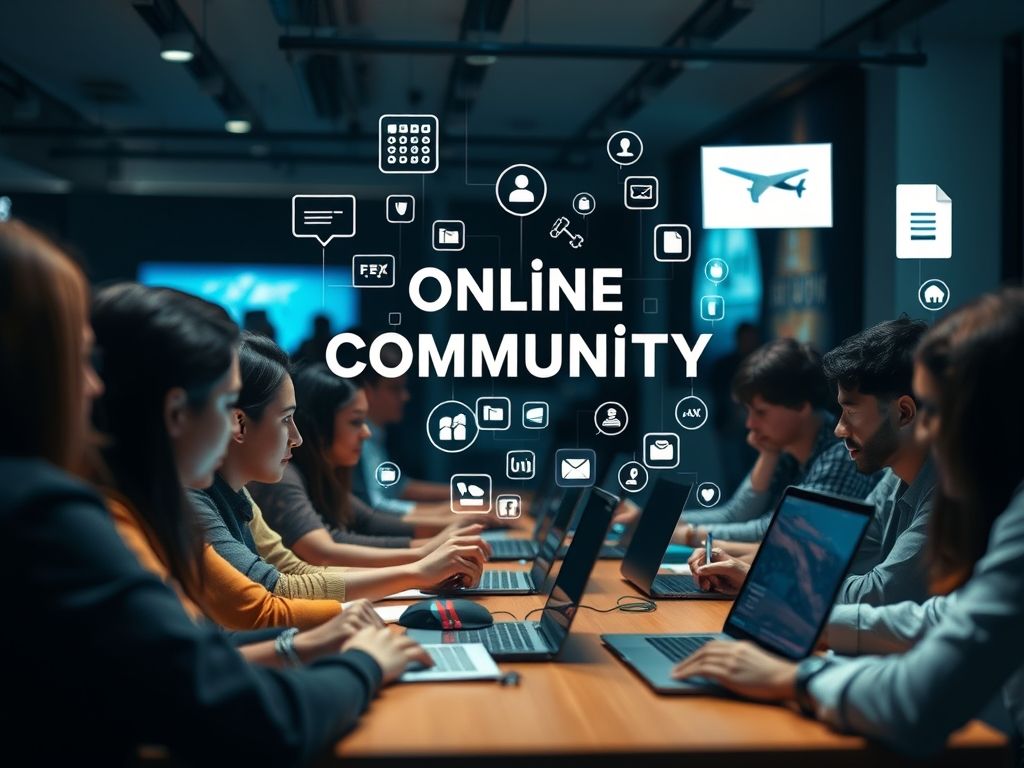

Understanding Online Community
An Online Community is a digital space where individuals with shared interests or goals come together to connect, interact, and collaborate. These communities can range from forums and social media groups to dedicated platforms and memberships. They serve as vital hubs for discussion, support, and resource sharing, making them essential in today’s digital landscape.
The Importance of Online Communities in Digital Marketing
In the realm of digital marketing, online communities have become invaluable. They not only foster engagement but also facilitate brand loyalty and customer advocacy. By participating in these communities, businesses can:
- Gain insights into customer preferences and behaviors.
- Establish authority and trust within their niche.
- Encourage user-generated content and feedback.
- Enhance customer support and build lasting relationships.
Key Components of an Online Community
To create a successful online community, consider the following key components:
- Purpose: Clearly define the community’s goals, whether it’s education, support, or networking.
- Platform: Select the right platform (social media, forums, etc.) that suits your audience.
- Engagement: Foster active participation through discussions, polls, and events.
- Moderation: Implement rules and guidelines to maintain a positive environment.
- Content: Regularly share valuable resources, insights, and updates relevant to the community.
Real-World Examples of Successful Online Communities
Several online communities exemplify the effective use of digital spaces:
- Reddit: Known as “the front page of the internet,” Reddit hosts countless subreddits where users share news, advice, and experiences.
- Facebook Groups: Businesses leverage Facebook Groups to create dedicated spaces for their customers to interact and share feedback.
- Slack Communities: Professional networks often use Slack channels for collaboration, resource sharing, and real-time communication.
- GitHub: A platform for developers to collaborate on projects, share code, and seek assistance from peers.
How to Build and Nurture Your Online Community
Building an online community requires strategic planning and consistent effort. Here are steps to guide you:
- Identify Your Audience: Understand who your target members are and what they seek in a community.
- Choose the Right Platform: Based on your audience’s preferences, select a platform that encourages interaction.
- Create Engaging Content: Offer valuable content that resonates with your audience, such as articles, videos, or infographics.
- Encourage Participation: Ask questions, run contests, and recognize active members to keep the community vibrant.
- Monitor and Adapt: Regularly assess community engagement and make adjustments based on feedback and analytics.
Applications of Online Communities in Daily Business Operations
Online communities can be integrated into various aspects of business operations:
- Customer Support: Use community forums to address common inquiries, reducing the load on customer service.
- Market Research: Engage with community members to gather insights on product development and marketing strategies.
- Brand Advocacy: Encourage satisfied customers to share their experiences, amplifying positive word-of-mouth.
- Content Creation: Involve community members in content generation, driving authentic engagement and ownership.
Related Concepts to Online Communities
Understanding online communities also involves recognizing their connections to other concepts in digital marketing:
- Social Media Marketing: The use of social platforms to promote products and engage with customers.
- Content Marketing: Creating valuable content to attract and retain a clearly defined audience.
- Email Marketing: Building relationships through targeted and personalized email communication.
- Influencer Marketing: Collaborating with influential figures to reach wider audiences through their established communities.
Conclusion: The Future of Online Communities in Marketing
Online communities are not just a trend; they represent a fundamental shift in how brands interact with their customers. By fostering genuine connections and facilitating meaningful interactions, businesses can significantly enhance their marketing strategies. As you explore these digital spaces, think about how you can leverage online communities to drive engagement, loyalty, and brand growth.
Whether you are a student, professional, or web developer, understanding and participating in online communities can enhance your skills and broaden your network. Consider joining a community that aligns with your interests today!