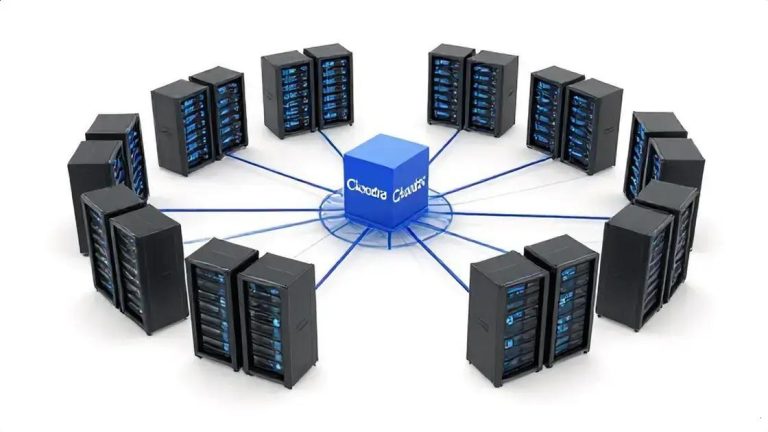





Navigating ethical and technical risks in AI security is crucial for organizations. Key challenges include addressing bias in AI systems, protecting user privacy, and safeguarding against cyber threats. Companies should implement diverse data sets to combat bias, ensure strong data protection measures, and regularly update their systems to prevent vulnerabilities. Building a security culture through employee training and open communication about risks can further enhance AI security, fostering trust and safety in AI applications.
In the fast-paced world of cybersecurity, understanding the balance between rapid software delivery and security is crucial. Join us as we explore key insights from the Cyber Security Expo 2026.
Trust at Machine Scale: Redefining Software Security
In today’s digital world, trust at machine scale is more important than ever. As software systems grow larger and more complex, ensuring security becomes a major challenge. Companies need to rethink how they protect their software and data.
One way to build trust is by using strong security measures. This includes encryption, which helps keep data safe by converting it into a code that only authorized users can read. Regular updates and patches are also key. They fix security holes that hackers might exploit.
Understanding Software Security
Software security means protecting software from threats and vulnerabilities. It’s not just about keeping hackers out; it’s also about making sure that the software behaves as expected. This means that users can trust that their data is safe and that the software will work correctly.
To achieve this, developers must incorporate security practices from the start. This approach is known as “security by design.” By thinking about security during the development phase, companies can create safer software that users can trust.
The Role of Automation in Security
Automation plays a big role in enhancing software security. Automated tools can scan for vulnerabilities and monitor systems for suspicious activity. This helps teams respond quickly to potential threats. For example, if a system detects unusual behavior, it can alert the team immediately.
Using automation also reduces human error. People can make mistakes, but machines can work tirelessly to keep systems secure. This is especially important in environments where speed and efficiency are crucial.
Building a Culture of Security
Creating a culture of security within an organization is vital. Everyone, from developers to management, should understand the importance of security. Regular training sessions can help staff recognize potential threats and understand best practices.
Encouraging open communication about security issues can also help. When employees feel comfortable reporting concerns, it leads to a safer environment. Remember, security is a team effort!
As we move forward, redefining software security is essential. By focusing on trust at machine scale, companies can ensure their software is not only functional but also secure. This will lead to greater confidence from users and a stronger reputation in the market.
Data Context and Exfiltration: Evolving Security Strategies
Understanding data context is crucial for security. It helps organizations know what data they have and how to protect it. Data context refers to the background information that surrounds data. This includes where it comes from, how it’s used, and who accesses it.
When companies have a clear view of their data, they can better manage security risks. For example, sensitive data like personal information needs stronger protection than less critical data. Knowing the context helps in deciding how to secure it.
What is Data Exfiltration?
Data exfiltration is when unauthorized users steal data from a system. This can happen in many ways, like hacking or insider threats. It’s a serious issue that can lead to data breaches. These breaches can harm a company’s reputation and lead to financial losses.
To prevent data exfiltration, organizations must implement strong security measures. This includes using firewalls and encryption. Firewalls act like barriers, blocking unauthorized access to networks. Encryption scrambles data, making it unreadable to anyone who doesn’t have the key.
Evolving Security Strategies
Security strategies must evolve to keep up with new threats. As technology changes, so do the tactics of cybercriminals. Companies need to stay ahead by regularly updating their security practices. This can include adopting new technologies and training staff on security awareness.
Regular audits can help identify vulnerabilities in systems. These audits check for weak spots that hackers might exploit. By finding and fixing these issues, organizations can strengthen their defenses.
The Importance of Employee Training
Employees play a vital role in data security. They need to understand the risks and how to avoid them. Regular training sessions can educate staff about phishing scams and safe data handling practices. This knowledge helps create a culture of security within the organization.
Encouraging employees to report suspicious activity is also important. When staff feel comfortable speaking up, it can prevent potential breaches. A proactive approach to security can save companies from costly incidents.
In summary, understanding data context and preventing data exfiltration are key to evolving security strategies. By focusing on these areas, organizations can better protect their valuable information and build trust with their users.
Integrating AI with Infrastructure: Architectural Standards
Integrating AI with infrastructure is becoming essential for modern businesses. This process involves combining artificial intelligence with existing systems to improve efficiency and performance. When done right, it can lead to better decision-making and faster operations.
One key aspect of this integration is following architectural standards. These standards provide guidelines on how to design and implement AI systems. They help ensure that AI solutions work well with current infrastructure and can scale as needed.
What Are Architectural Standards?
Architectural standards are rules and guidelines that help organizations build their systems. They cover everything from software design to data management. By adhering to these standards, companies can create reliable and secure systems.
For AI integration, these standards focus on how AI models interact with data and other applications. They ensure that AI can access the right data at the right time. This is crucial for making accurate predictions and decisions.
The Benefits of Integrating AI
Integrating AI into infrastructure offers many benefits. First, it can automate routine tasks, saving time and resources. For example, AI can analyze large datasets faster than humans, leading to quicker insights.
Second, AI can enhance decision-making. By analyzing patterns in data, AI can provide recommendations that help businesses make better choices. This can lead to improved customer experiences and increased sales.
Challenges in Integration
While there are many benefits, integrating AI with infrastructure also comes with challenges. One major challenge is ensuring data quality. AI relies on accurate data to function effectively. If the data is flawed, the AI’s output will also be flawed.
Another challenge is the need for skilled personnel. Companies must have staff who understand both AI and the existing infrastructure. This requires ongoing training and development to keep skills current.
Best Practices for Successful Integration
To successfully integrate AI with infrastructure, companies should start small. Begin with pilot projects that test AI in specific areas. This allows organizations to learn and adapt before scaling up.
Additionally, collaboration between IT and business teams is crucial. Both sides must work together to align goals and ensure that AI solutions meet business needs. Regular feedback and adjustments can help refine the integration process.
Overall, integrating AI with infrastructure through architectural standards is a powerful way to enhance business operations. By following best practices and addressing challenges, organizations can unlock the full potential of AI.
Navigating Ethical and Technical Risks in AI Security
Navigating ethical and technical risks in AI security is essential for organizations today. As AI technology grows, so do the challenges that come with it. Understanding these risks helps companies create safer AI systems.
One major ethical risk is bias in AI. Bias occurs when AI systems make unfair decisions based on flawed data. For example, if an AI is trained on data that reflects past prejudices, it may produce biased results. This can lead to unfair treatment of individuals in areas like hiring or lending.
To combat bias, companies must ensure diverse and representative data sets. Regular audits can help identify and correct biases in AI systems. This creates a fairer environment for everyone.
Privacy Concerns
Another significant risk is privacy. AI systems often require large amounts of data to function effectively. This data can include sensitive personal information. If not handled properly, this data can be exposed, leading to privacy breaches.
To protect privacy, organizations should implement strong data protection measures. This includes encrypting sensitive information and limiting access to authorized personnel only. Transparency about how data is used is also crucial. Users should know what data is collected and how it will be used.
Technical Risks
Technical risks in AI security include vulnerabilities that hackers can exploit. AI systems can be targets for cyberattacks. If attackers gain access, they can manipulate the AI to produce harmful outcomes.
To reduce technical risks, companies should regularly update their AI systems. This includes applying security patches and updates. Additionally, organizations should conduct penetration testing to identify weaknesses before attackers can exploit them.
Building a Security Culture
Creating a culture of security within an organization is essential. Everyone, from management to employees, should understand the importance of AI security. Regular training sessions can help staff recognize potential risks and how to mitigate them.
Encouraging open communication about security issues is also vital. When employees feel comfortable reporting concerns, it helps prevent potential breaches. A proactive approach to security can save companies from costly incidents.
In summary, navigating ethical and technical risks in AI security requires a comprehensive approach. By addressing bias, protecting privacy, and strengthening technical defenses, organizations can create safer AI systems. This not only protects the company but also builds trust with users.