




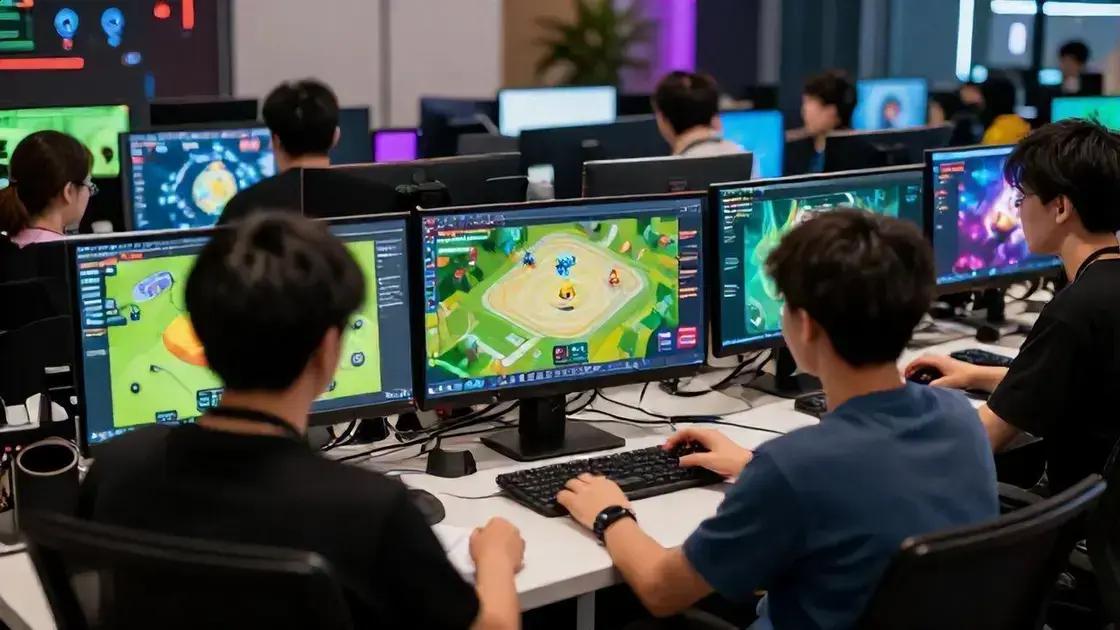

AI is revolutionizing game development by enhancing creativity and interactivity. It helps developers generate unique ideas, create dynamic characters, and design immersive environments. With AI-driven content generation, developers can streamline their workflow, allowing for more focus on innovative gameplay features. This collaboration between human creativity and AI tools leads to engaging experiences that adapt to player choices, making each game session unique. As technology evolves, the integration of AI in gaming continues to unlock new possibilities for creativity and player engagement.
Artificial Intelligence (AI) is changing the way games are developed. It helps create smarter and more engaging gameplay experiences. Game developers are using AI to design characters, environments, and even entire game worlds. This technology makes games feel more alive and interactive.
How AI Enhances Game Development
AI can analyze player behavior and adapt the game accordingly. For instance, if a player struggles at a certain level, AI can adjust the difficulty to keep them engaged. This means players have a better experience and are more likely to continue playing.
Another way AI helps is by generating realistic graphics and animations. Developers can use AI to create lifelike movements for characters. This makes the game look and feel more realistic. Players enjoy games that have smooth animations and believable characters.
AI for Game Testing
Testing games is a crucial part of development. AI can automate this process, saving time and resources. It can run through different scenarios to find bugs or issues. This means developers can focus on improving the game rather than spending hours on testing.
AI can also help in creating unique game content. For example, it can generate new levels or quests based on player preferences. This keeps the game fresh and exciting, as players encounter new challenges each time they play.
The Future of AI in Gaming
The future of AI in game development looks bright. As technology advances, we can expect even more sophisticated AI systems. These systems will create games that are not only fun but also deeply immersive. Imagine playing a game where the story changes based on your choices, thanks to AI!
In conclusion, AI is revolutionizing game development. It enhances gameplay, improves testing, and allows for creative content generation. As developers continue to explore AI’s potential, we can look forward to even more innovative gaming experiences in the future.
Interactive gameplay features are a big part of what makes games fun and engaging. These features allow players to connect with the game world in exciting ways. They create a sense of immersion that keeps players coming back for more.
What Are Interactive Gameplay Features?
Interactive gameplay features include elements that players can control or influence. This can be anything from character movements to choices that affect the game’s story. For example, in many games, players can make decisions that change the outcome of the story. This makes each playthrough unique and personal.
Another example is the ability to interact with the environment. Players can pick up objects, open doors, or even change the landscape. These actions make the game feel more real. Players feel like they are part of the game world, not just observers.
Benefits of Interactive Features
One major benefit of interactive gameplay features is increased player engagement. When players can make choices, they feel more invested in the game. They want to explore different paths and outcomes. This leads to longer play sessions and more enjoyment.
Moreover, interactive features can enhance replayability. Players often go back to see how different choices affect the game. This keeps the game fresh and exciting, even after multiple plays.
Examples of Interactive Gameplay
Many popular games use interactive features to great effect. For instance, role-playing games (RPGs) often allow players to create their characters and make choices that influence the story. In action-adventure games, players might solve puzzles by interacting with the environment in creative ways.
Some games even use AI to create dynamic interactions. This means that the game can respond to how players act, making each experience feel unique. For example, if a player is aggressive, the game might change its challenges to match that style.
In summary, interactive gameplay features are essential for creating engaging and immersive gaming experiences. They allow players to influence the game world and make choices that matter. As developers continue to innovate, we can expect even more exciting interactive features in future games.
AI is a powerful tool for unlocking creativity in game development. It helps developers think outside the box and create unique experiences. With AI, the possibilities are endless. Developers can use AI to generate new ideas, characters, and even entire game worlds.
How AI Sparks Creativity
One way AI boosts creativity is by analyzing vast amounts of data. It can identify trends and suggest new concepts based on what players enjoy. For example, AI can look at popular game mechanics and help developers create something fresh. This means games can be more engaging and fun.
Additionally, AI can assist in designing characters. It can suggest traits, backstories, and even dialogue. This makes character creation faster and more diverse. Developers can experiment with different ideas without starting from scratch each time.
AI-Driven Content Generation
Another exciting aspect of AI is its ability to generate content. AI tools can create levels, quests, and even music. This allows developers to focus on the bigger picture. They can spend more time refining the game rather than getting bogged down in details.
For instance, imagine a game where the environment changes based on player choices. AI can help create these dynamic worlds. It can adjust landscapes, quests, and challenges, making each player’s experience unique. This keeps players engaged and encourages them to explore.
Collaboration Between AI and Developers
AI doesn’t replace human creativity; it enhances it. Developers can collaborate with AI tools to brainstorm ideas. This teamwork can lead to innovative gameplay features and storylines. By combining human intuition with AI’s analytical power, the results can be amazing.
Moreover, AI can help test creative ideas. Developers can use AI to simulate how players might react to new features. This feedback can guide their decisions, ensuring that the final product resonates with players.
In summary, AI is a game-changer for creativity in game development. It helps developers generate ideas, create content, and collaborate effectively. As technology continues to evolve, we can expect even more exciting possibilities for creativity in gaming.