



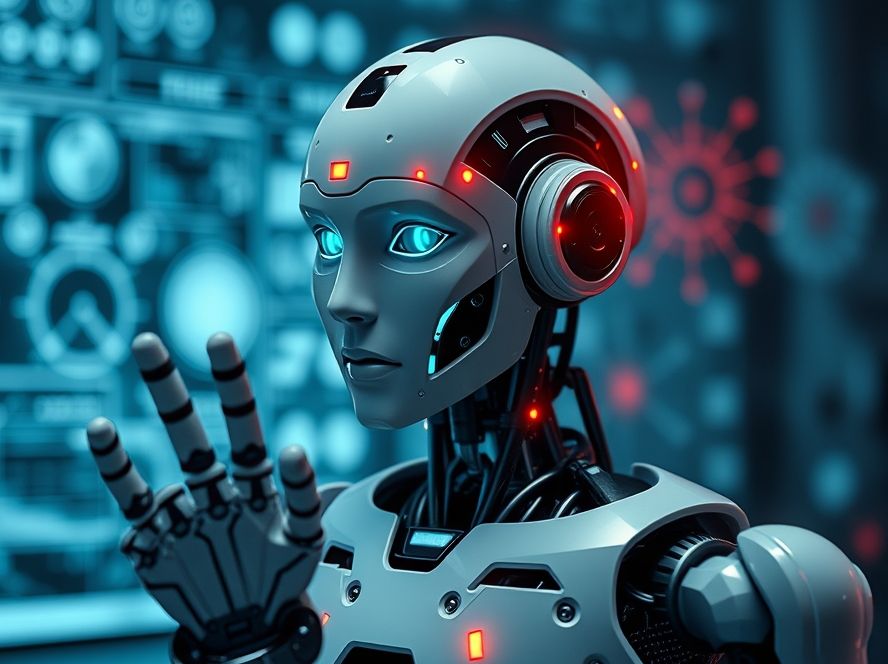

Understanding AI in Robotics
AI in Robotics refers to the integration of artificial intelligence technologies into robotic systems, enabling them to perform tasks autonomously or semi-autonomously. This fusion allows robots to process information, learn from experiences, and make decisions based on their environment, significantly enhancing their capabilities beyond simple programmed instructions.
The Importance of AI in Robotics
The significance of AI in robotics cannot be overstated. As industries evolve and the demand for automation increases, the need for intelligent robotic systems that can adapt and learn from their environments grows. This convergence leads to greater efficiency, reduced costs, and improved safety in various sectors, including manufacturing, healthcare, and transportation.
Key Components of AI in Robotics
To fully grasp AI in robotics, it’s essential to understand its core components:
- Machine Learning: This subset of AI enables robots to learn from data and improve their performance over time without explicit programming.
- Computer Vision: This technology allows robots to interpret visual information from the world, enabling them to identify objects, navigate spaces, and interact with their environment.
- Natural Language Processing (NLP): NLP enables robots to understand and respond to human language, facilitating smoother interactions between humans and machines.
- Sensor Integration: Robots equipped with various sensors can gather data from their surroundings, which is crucial for making informed decisions.
Real-World Applications of AI in Robotics
The real-world applications of AI in robotics are vast and varied. Here are some notable examples:
- Manufacturing: AI-powered robots in factories can perform quality control, assembly, and maintenance tasks with high precision, increasing production efficiency.
- Healthcare: Surgical robots assist doctors in complex procedures, providing enhanced precision and reducing recovery times for patients.
- Logistics: Autonomous delivery drones and robots are revolutionizing the supply chain by optimizing delivery routes and reducing human labor costs.
- Household Robots: Devices like robotic vacuum cleaners utilize AI to learn household layouts and optimize cleaning paths efficiently.
How to Implement AI in Robotics
For individuals or organizations looking to implement AI in robotics, here are practical steps:
- Define Objectives: Clearly outline what you hope to achieve with AI-powered robotics, whether it’s increased efficiency or enhanced safety.
- Choose the Right Technology: Select the appropriate AI technologies that align with your objectives, such as machine learning algorithms or computer vision systems.
- Develop a Prototype: Start with a small-scale prototype to test and refine your approach before full-scale implementation.
- Continuous Learning: Implement feedback loops where robots can learn from their experiences to improve their performance over time.
Related Concepts in AI and Robotics
Understanding AI in robotics also involves familiarizing oneself with related concepts:
- Autonomous Systems: Systems that can operate independently without human intervention.
- Robotics Process Automation (RPA): Automation of repetitive tasks in business processes using software robots.
- Artificial General Intelligence (AGI): A theoretical form of AI that can understand, learn, and apply knowledge across a wide range of tasks, similar to human intelligence.
- Internet of Things (IoT): The network of interconnected devices that can collect and exchange data, enhancing the capabilities of robotic systems.
Conclusion: The Future of AI in Robotics
As we look to the future, the integration of AI in robotics will continue to transform industries and daily life. With advancements in technology, robots will become smarter, more efficient, and capable of performing increasingly complex tasks. Whether you’re a student, professional, or beginner in this field, understanding AI in robotics opens up a world of possibilities for innovation and development.
As you explore the practical applications of AI in robotics, consider how you can incorporate these technologies into your own work or studies. The potential for growth and efficiency is immense, and staying informed will place you at the forefront of this exciting field.