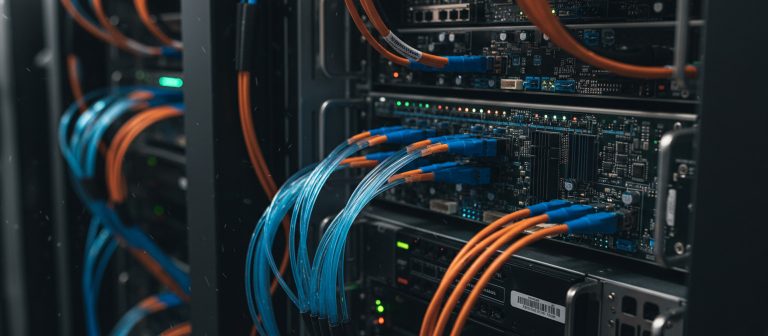





Understanding IT Networking
IT networking refers to the practice of connecting computers and other devices to share resources and information. This foundational aspect of information technology enables communication between devices, allowing them to work collaboratively in a networked environment. In a world where digital connectivity is paramount, understanding IT networking is essential for programmers, web developers, and server administrators.
The Importance of IT Networking
As businesses increasingly rely on technology, the significance of IT networking has grown. Efficient networking plays a critical role in ensuring that data flows smoothly between devices, enhancing productivity and collaboration. From small businesses to large enterprises, robust networking solutions help maintain operational efficiency.
Key Components of IT Networking
- Hardware: Includes routers, switches, and cables that form the physical backbone of a network.
- Software: Network operating systems and management tools that facilitate communication and administration.
- Protocols: Standards that dictate how data is transmitted over the network, such as TCP/IP and HTTP.
Types of IT Networks
Understanding the different types of networks is crucial for any IT professional. Here are the most common types:
- Local Area Network (LAN): A network that connects computers within a limited area, such as an office or a building.
- Wide Area Network (WAN): A network that covers a broad area, often connecting multiple LANs.
- Virtual Private Network (VPN): A secure connection that allows users to access a private network over the internet.
Real-World Applications of IT Networking
IT networking is not just theoretical; it has numerous practical applications that affect everyday operations in various fields:
- Business Operations: Companies rely on networking to connect employees, share files, and access shared resources like printers and servers.
- Remote Work Solutions: With the rise of remote work, VPNs and cloud-based networking have become essential for secure access to company resources from anywhere.
- Internet of Things (IoT): Networking is critical for connecting various IoT devices, allowing them to communicate and function effectively.
Security in IT Networking
As networks grow, so do the risks associated with them. Cybersecurity measures are crucial to protect sensitive data and maintain trustworthiness. Here are some key aspects:
- Firewalls: Devices or software that monitor and control incoming and outgoing network traffic based on predetermined security rules.
- Encryption: The process of converting information into a secure format that cannot be easily read by unauthorized users.
- Access Controls: Mechanisms that restrict who can access the network and its resources, ensuring that only authorized personnel can enter sensitive areas.
How to Implement Effective IT Networking
Implementing IT networking solutions requires careful planning and execution. Here are some steps to consider:
- Assess Your Needs: Determine what resources need to be shared and the scale of the network required.
- Choose the Right Hardware: Invest in reliable routers, switches, and cables that can handle the expected data load.
- Install and Configure: Set up the network hardware and software, ensuring all devices are properly configured to communicate with each other.
- Monitor Performance: Regularly check network performance and make adjustments as necessary to optimize speed and reliability.
Common Networking Tools and Technologies
There are many tools available that can aid in the management and optimization of IT networking:
- Network Monitoring Software: Tools like Nagios and SolarWinds help track network performance and identify issues before they become critical.
- Configuration Management Tools: Solutions such as Ansible and Puppet automate the deployment and management of network configurations.
- Bandwidth Management Tools: These tools help monitor and control bandwidth usage to ensure fair distribution among users and applications.
Related Concepts in IT Networking
To gain a deeper understanding of IT networking, it’s essential to explore related concepts:
- Network Topology: The arrangement of different elements (links, nodes, etc.) in a computer network.
- Network Architecture: The design principles of a network, including its physical and logical structure.
- Cloud Networking: Networking solutions that utilize cloud services to facilitate data transfer and communication.
Conclusion: Embracing IT Networking for Success
In conclusion, IT networking is a vital component of modern technology, enabling seamless communication and collaboration across devices. Whether you are a programmer, web developer, or server administrator, understanding the principles of networking can significantly enhance your professional capabilities. By applying the knowledge gained in this article, you can make informed decisions that improve your organization’s network efficiency and security.
Take a moment to reflect on your current networking practices. Are there areas where you can implement these strategies to enhance your operations? Remember, the world of IT networking is ever-evolving, and staying informed is key to success.