
What is Remote Monitoring?
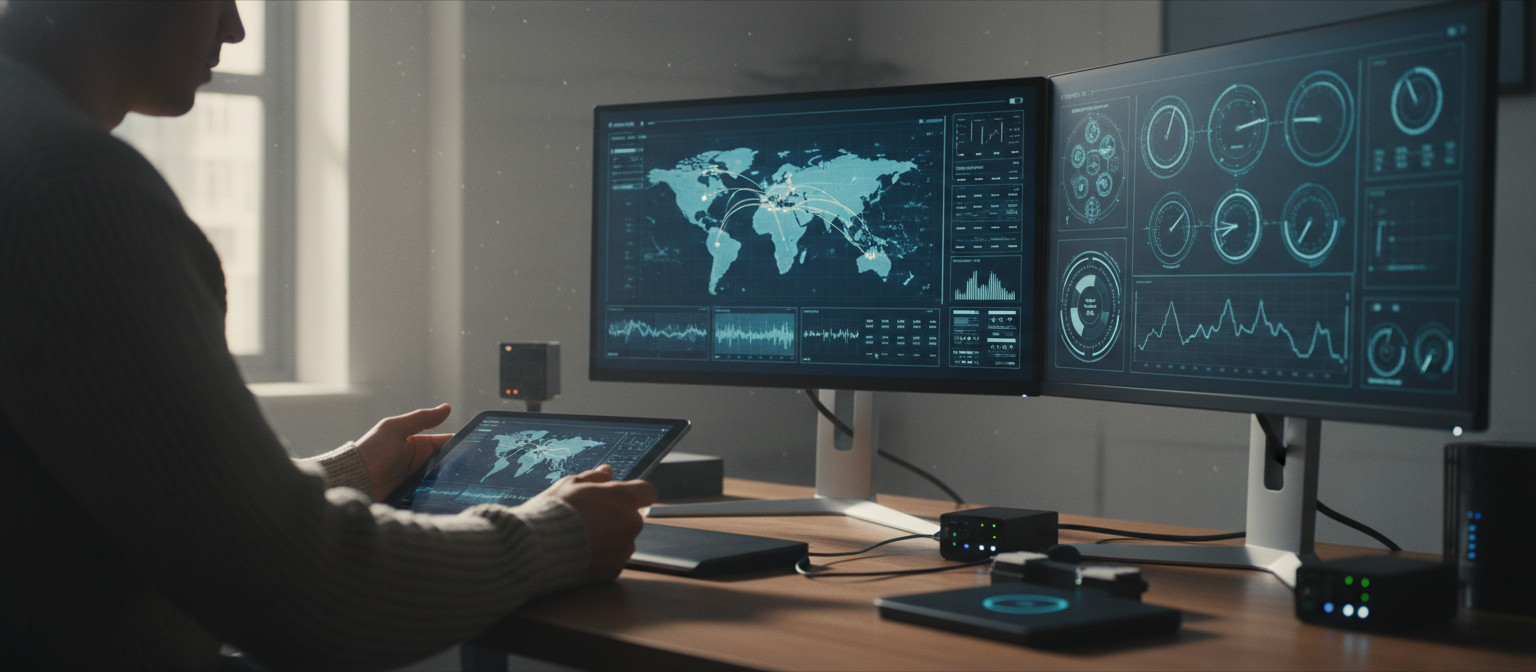
Remote Monitoring refers to the practice of collecting data from a distance, allowing users to observe and analyze information without needing to be physically present. This technology is widely utilized in various fields such as healthcare, industrial operations, and environmental monitoring.
Importance of Remote Monitoring
In today’s fast-paced world, the significance of Remote Monitoring cannot be overstated. It enhances efficiency, reduces costs, and increases safety across multiple sectors. By leveraging digital technology, organizations can track processes in real-time, leading to informed decision-making and proactive management.
Key Aspects of Remote Monitoring
- Data Collection: Utilizing sensors and devices to gather data.
- Data Analysis: Analyzing collected information to derive insights.
- Real-Time Updates: Providing instantaneous feedback and alerts.
- Accessibility: Allowing users to access data from anywhere, at any time.
Applications of Remote Monitoring
Remote Monitoring is applicable in various sectors. Here are some real-world examples:
- Healthcare: Telemedicine allows doctors to monitor patients remotely, enhancing care accessibility.
- Industrial: In manufacturing, machinery can be monitored for performance and efficiency, preventing downtime.
- Environmental: Sensors can track air quality and weather conditions, helping in disaster management and urban planning.
- Home Automation: Smart home devices enable homeowners to monitor and control appliances remotely, increasing security and energy efficiency.
How to Implement Remote Monitoring in Daily Life
Implementing Remote Monitoring in your daily life can enhance convenience and efficiency. Here are steps to consider:
- Identify Needs: Determine what you want to monitor, be it health, home security, or an industrial process.
- Choose the Right Tools: Select devices or software that fit your monitoring needs. For example, fitness trackers for health or security cameras for home.
- Ensure Connectivity: Ensure that your devices can connect to the internet for real-time data transmission.
- Set Up Alerts: Configure your system to send alerts for any anomalies or important updates.
- Regularly Review Data: Make it a habit to analyze the data collected to gain insights and improve processes.
Related Concepts
Understanding Remote Monitoring can be enriched by exploring related concepts:
- Internet of Things (IoT): Refers to interconnected devices that communicate and exchange data.
- Telemedicine: Healthcare services provided remotely using telecommunications technology.
- Data Analytics: The process of examining data sets to draw conclusions about the information they contain.
- Smart Home Technology: Devices that enhance home automation and security through remote access.
Conclusion
In conclusion, Remote Monitoring is a versatile tool that can significantly improve various aspects of life and business. By understanding its applications, benefits, and how to implement it effectively, you can leverage this technology to enhance efficiency, safety, and convenience. As technology continues to evolve, the potential for Remote Monitoring will only expand, making it a valuable skill and knowledge for anyone in today’s digital age.
Reflect on how you can incorporate Remote Monitoring into your own life or profession. What processes could you improve or streamline with this technology?