




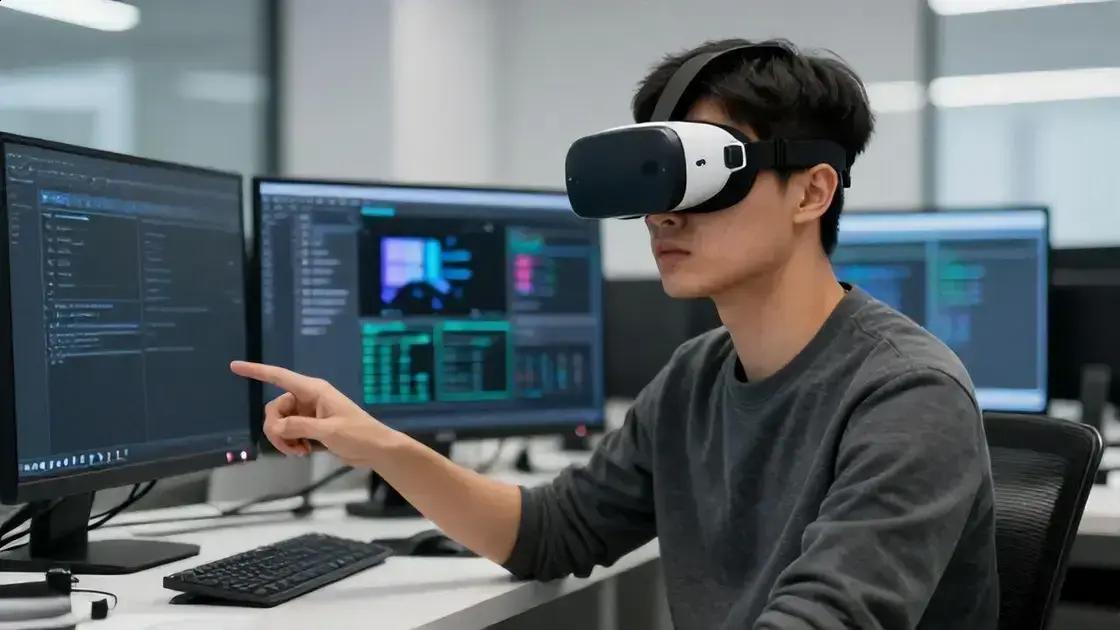

The integration of AI in XR Development is transforming various industries by enhancing user experiences, improving interactivity, and enabling personalized applications. Key trends include increased personalization, where AI tailors experiences based on user data, and improved interactivity, allowing for more natural user engagement. Additionally, accessibility is being enhanced through AI technologies, making XR experiences available to a broader audience. Industries such as healthcare, education, and entertainment are leveraging these advancements to create immersive and effective applications, paving the way for a future rich in innovative AI and XR solutions.
In today’s fast-paced tech landscape, XR Development is being transformed by the power of AI. This article explores how cutting-edge AI tools are streamlining processes and enhancing the prototyping experience for developers.
The Impact of AI on XR Development
AI is changing the way we approach XR Development. It helps developers create better experiences in virtual and augmented reality. By using AI, developers can automate tasks and improve workflows. This means faster development times and more innovative solutions.
How AI Enhances Creativity
One of the biggest impacts of AI is on creativity. AI tools can analyze data and suggest new ideas. This allows developers to think outside the box. For example, AI can help in designing more realistic environments. It can also generate unique characters and scenarios, making the experience richer.
Streamlining Development Processes
AI can streamline many parts of the development process. It can automate repetitive tasks like coding and testing. This frees up developers to focus on more complex problems. With AI, developers can also get instant feedback. This means they can make changes quickly and efficiently.
Improving User Experience
AI plays a crucial role in enhancing user experience. It can analyze user behavior and preferences. This data helps developers create more personalized experiences. For instance, AI can adapt the content based on user interactions. This makes the XR experience more engaging and enjoyable.
Challenges in Implementing AI
While AI brings many benefits, there are challenges too. Developers need to understand how to use AI effectively. There can be a learning curve when integrating AI tools. Additionally, ensuring data privacy is essential. Developers must be careful with user data to maintain trust.
In conclusion, the impact of AI on XR Development is significant. It opens up new possibilities and enhances creativity. As developers embrace these tools, we can expect to see even more exciting advancements in the future.
Accelerating WebXR Prototyping with AI Tools
AI tools are changing how we approach WebXR prototyping. They make the process faster and more efficient. With AI, developers can create prototypes that are both innovative and user-friendly. This means more time for testing and refining ideas.
Speeding Up the Design Process
One major advantage of AI is speed. Traditional prototyping can take weeks or months. But with AI, developers can generate designs in a fraction of the time. AI can analyze existing designs and suggest improvements. This helps teams focus on what works best.
Enhancing Collaboration
AI tools also improve team collaboration. They allow multiple users to work on a prototype at once. This means feedback can be instant. Developers can see changes in real-time. This leads to a more dynamic and interactive design process.
Testing and Iteration Made Easy
Testing prototypes is crucial. AI tools can automate this process. They can simulate user interactions and gather data. This data helps developers understand how users will interact with their designs. Quick iterations based on this feedback can lead to better final products.
Personalizing User Experiences
AI helps in creating personalized experiences. By analyzing user data, AI can suggest features that cater to specific needs. This means users get a more tailored experience. For example, if a user prefers certain styles, AI can adjust the prototype accordingly.
In summary, using AI tools in WebXR prototyping accelerates the entire process. It enhances creativity, collaboration, and user experience. As developers embrace these tools, we can expect to see more exciting and effective WebXR applications.
Real-World Applications of AI in XR
Artificial Intelligence (AI) is making waves in the XR world. It helps create amazing experiences in virtual and augmented reality. Many industries are using AI to enhance their XR applications. Let’s explore some real-world examples.
Healthcare Innovations
In healthcare, AI is transforming how doctors train and treat patients. For example, medical students can use VR simulations powered by AI. These simulations provide realistic scenarios for practice. AI analyzes the students’ actions and gives instant feedback. This helps them improve their skills in a safe environment.
Gaming Experiences
The gaming industry is another area where AI shines. Games are becoming more immersive thanks to AI-driven XR technologies. AI can create dynamic environments that change based on player actions. This makes every gaming session unique. AI also helps in developing smarter non-player characters (NPCs). These NPCs learn from players, making interactions more engaging.
Retail and E-Commerce
Retailers are using AI in XR to enhance shopping experiences. Virtual try-ons are a popular application. Customers can see how clothes or makeup look on them without leaving home. AI analyzes customer preferences and suggests products. This personalization increases sales and customer satisfaction.
Education and Training
AI in XR is revolutionizing education and training. Companies use VR to train employees in various fields. For instance, construction workers can practice safety measures in a virtual environment. AI tracks their progress and identifies areas for improvement. This hands-on approach helps workers gain confidence before facing real-world challenges.
In summary, the real-world applications of AI in XR are vast and exciting. From healthcare to gaming, AI enhances user experiences and creates new opportunities. As technology continues to evolve, we can expect even more innovative uses of AI in XR.
Future Trends in AI and XR Development
The future of AI and XR Development is bright and full of possibilities. As technology advances, we can expect exciting trends to emerge. These trends will shape how we interact with virtual and augmented realities.
Increased Personalization
One major trend is increased personalization. AI will analyze user data to create tailored experiences. This means that XR applications will adapt to individual preferences. For example, a virtual shopping experience could change based on a user’s past behavior. This level of customization will enhance user engagement and satisfaction.
Improved Interactivity
Another trend is improved interactivity. AI will enable more natural interactions in XR environments. Users will be able to communicate with virtual characters in real-time. This will make experiences feel more lifelike and immersive. Imagine chatting with a virtual assistant that understands your needs and responds accordingly.
Enhanced Accessibility
Accessibility will also see significant improvements. AI can help make XR experiences available to more people. For instance, voice recognition technology can assist users with disabilities. This ensures everyone can enjoy the benefits of XR, regardless of their physical abilities.
Integration of AI and XR in Various Industries
We will also see AI and XR integrated into various industries. Healthcare, education, and entertainment will lead the way. In healthcare, AI can analyze patient data to create personalized treatment plans in XR simulations. In education, immersive learning experiences will become more common, making lessons more engaging.
Entertainment will also benefit from these advancements. Gamers will enjoy more immersive worlds, while moviegoers might experience films in new ways. As AI and XR continue to evolve, the possibilities are endless.
In summary, the future trends in AI and XR Development promise to revolutionize how we experience technology. With increased personalization, interactivity, and accessibility, these advancements will create richer, more engaging environments for users.