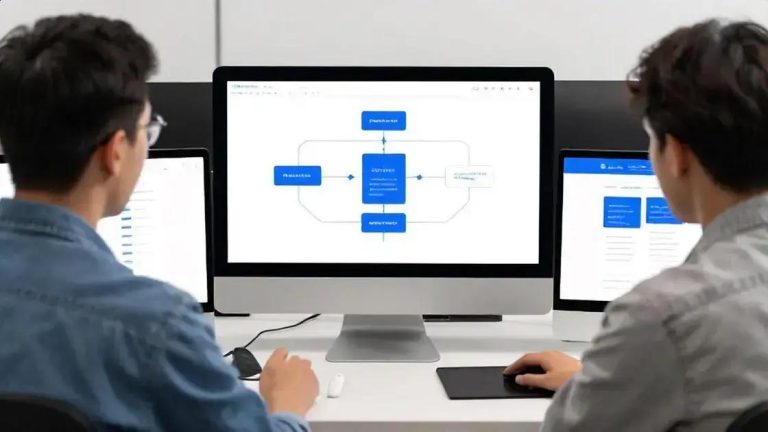






Optimizing developer experience with tools is essential for enhancing productivity and satisfaction in engineering teams. Key strategies include selecting user-friendly tools, automating repetitive tasks with CI/CD systems, and providing clear documentation. Regular training and support foster skill development, while collaboration tools enhance teamwork. Gathering feedback from developers helps identify areas for improvement, ensuring tools meet their needs. A positive work environment and access to necessary resources further contribute to a better developer experience, ultimately leading to more efficient and successful project outcomes.
API Lifecycle management is becoming increasingly vital for engineering teams. As software architecture relies heavily on APIs, understanding how to manage them effectively can lead to more stable and reliable systems. Let’s explore the strategies that can help mitigate risks and enhance your development processes.
Understanding API Lifecycle Management
Understanding API Lifecycle Management is essential for any tech team. It involves managing the entire journey of an API, from its initial design to its retirement. This process ensures that APIs remain useful and secure throughout their existence.
First, let’s break down the stages of the API lifecycle. The journey starts with design. During this phase, teams decide what the API will do and how it will work. It’s important to consider user needs and technical requirements. Good design sets a solid foundation for the API.
Next comes the development stage. Here, developers write the code that makes the API function. They must follow best practices to ensure the API is efficient and easy to use. Testing is also crucial at this stage. It helps catch bugs and ensures the API meets its design goals.
Once the API is developed, it moves to the deployment phase. This is when the API goes live and becomes available for users. Proper deployment involves setting up servers and ensuring that everything runs smoothly. Monitoring tools can help track the API’s performance and usage.
After deployment, the API enters the maintenance phase. This is where teams update the API to fix issues or add new features. Regular maintenance keeps the API relevant and secure. It’s also essential to listen to user feedback during this time.
Finally, every API has a retirement stage. This happens when the API is no longer needed or cannot be updated. Planning for retirement is important to ensure users have time to transition to new solutions. Clear communication helps users adapt to changes.
In summary, API Lifecycle Management is about overseeing the entire journey of an API. Each stage plays a vital role in ensuring the API’s success. By understanding this lifecycle, teams can create better APIs that meet user needs and adapt to changing technology.
The Role of AI in API Development
The role of AI in API development is becoming more important every day. AI can help teams create better APIs faster and more efficiently. By using AI tools, developers can automate many tasks that used to take a lot of time.
One way AI helps is through code generation. AI can analyze existing code and suggest improvements or even write new code. This saves developers time and reduces errors. With AI, teams can focus on more complex problems while the AI handles the routine tasks.
Another area where AI shines is in testing. AI can run tests on APIs to ensure they work as expected. It can simulate different user scenarios and find bugs faster than manual testing. This leads to more reliable APIs and a better user experience.
AI also plays a role in monitoring API performance. It can analyze data in real-time to detect issues before they affect users. If an API is slow or not responding, AI can alert the team immediately. This proactive approach helps maintain high service quality.
Moreover, AI can assist in documentation. Writing clear documentation is crucial for API usability. AI can help generate documentation based on the code and its usage. This makes it easier for developers to understand how to use the API effectively.
Using AI in API development also means enhanced security. AI can identify potential security threats by analyzing patterns in API usage. This helps teams take action before a security breach occurs. With AI, developers can build APIs that are not only functional but also secure.
Finally, AI can improve the user experience. By analyzing user interactions, AI can suggest features that users want. This feedback loop helps teams create APIs that meet user needs more effectively. When APIs are built with user feedback in mind, they are more likely to succeed.
In summary, AI is changing how APIs are developed. From code generation to monitoring and security, AI tools are helping teams be more efficient and effective. Embracing AI in API development can lead to better products and happier users.
Establishing Governance in Engineering Teams
Establishing governance in engineering teams is crucial for successful project management. Governance helps teams work efficiently and stay aligned with company goals. It sets clear rules and guidelines for how work gets done.
First, it’s important to define roles and responsibilities. Each team member should know their tasks and who they report to. This clarity helps prevent confusion and ensures everyone is on the same page. When roles are clear, team members can focus on their work without stepping on each other’s toes.
Next, teams should create standard operating procedures (SOPs). SOPs are step-by-step instructions for common tasks. They help maintain quality and consistency in the work produced. By having these procedures in place, teams can reduce errors and improve efficiency.
Another key aspect of governance is decision-making processes. Teams need to know how decisions are made and who is involved. This can include everything from technical choices to budget approvals. When everyone understands the decision-making process, it leads to faster and more informed choices.
Regular meetings are also essential for good governance. These meetings provide a platform for team members to discuss progress, challenges, and feedback. They keep everyone informed and engaged. Teams can use these meetings to celebrate successes and address any issues that arise.
Moreover, establishing a culture of accountability is vital. Team members should feel responsible for their work and understand the impact it has on the project. When people are accountable, they are more likely to take ownership of their tasks and strive for excellence.
Another important element is risk management. Teams should identify potential risks early on and have a plan to address them. This proactive approach can save time and resources in the long run. By being prepared, teams can navigate challenges more smoothly.
Finally, governance should include continuous improvement. Teams should regularly review their processes and look for ways to enhance them. This could involve gathering feedback from team members or analyzing project outcomes. By focusing on improvement, teams can adapt to changes and stay competitive.
In summary, establishing governance in engineering teams is about creating structure and clarity. By defining roles, creating SOPs, and promoting accountability, teams can work more effectively. Good governance leads to better outcomes and a more positive work environment.
Optimizing Developer Experience with Tools
Optimizing the developer experience with tools is essential for any engineering team. A good developer experience leads to happier and more productive developers. When developers have the right tools, they can work more efficiently and focus on what matters.
First, it’s important to choose the right tools. Developers need tools that fit their workflow. This includes code editors, version control systems, and collaboration platforms. Tools should be user-friendly and easy to integrate. When developers can easily use their tools, they spend less time figuring things out.
Next, providing automation tools can significantly enhance the developer experience. Automation helps reduce repetitive tasks. For example, continuous integration and deployment (CI/CD) tools automate the process of testing and deploying code. This saves time and minimizes errors. Developers can focus on writing code instead of managing deployments.
Another key aspect is having a good documentation system. Clear and accessible documentation helps developers understand how to use tools and APIs. Good documentation should include examples and best practices. When developers can find the information they need quickly, they can solve problems faster.
Additionally, investing in training and support is crucial. Regular training sessions can help developers learn new tools and techniques. Support should be available when developers encounter issues. A responsive support team can make a big difference in the developer experience.
Creating a collaborative environment is also important. Developers should feel comfortable sharing ideas and asking for help. Tools that facilitate collaboration, like chat apps and project management software, can enhance teamwork. When developers work together, they can solve problems more effectively.
Feedback is another critical component. Teams should regularly gather feedback from developers about their tools and processes. This can help identify pain points and areas for improvement. Listening to developer feedback shows that their opinions matter and can lead to better tools and practices.
Finally, consider the overall work environment. A comfortable and well-equipped workspace can enhance productivity. Developers should have access to the resources they need, whether it’s hardware, software, or a quiet place to focus. A positive work environment contributes to a better developer experience.
In summary, optimizing the developer experience involves choosing the right tools, automating tasks, providing good documentation, and fostering collaboration. By focusing on these areas, teams can create a more enjoyable and productive environment for developers.