


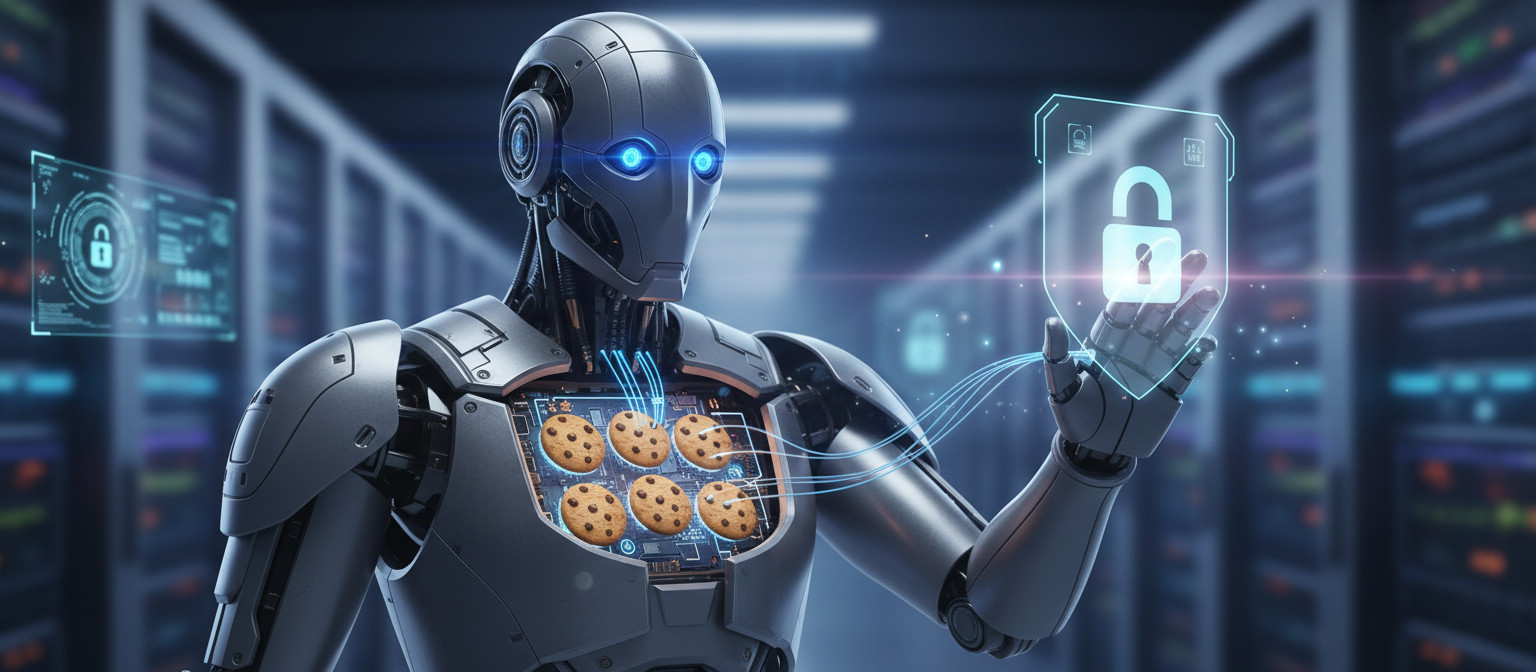

Robot security is essential in today’s tech-driven world, as it protects devices from cyber threats. Key practices include using strong passwords, enabling two-factor authentication, keeping software updated, and being cautious with public Wi-Fi. Additionally, installing antivirus software and regularly backing up data can enhance security. By following these best practices, users can safeguard their information and enjoy a safer online experience.
Robot security is becoming more important as we use technology more in our daily lives. Robots and smart devices help us in many ways, but they also need protection. Just like we lock our doors to keep our homes safe, we must secure our robots and devices to keep our information safe.
Why Robot Security Matters
With the rise of robots in homes and businesses, security risks are growing. Hackers can target robots to steal data or cause harm. For example, a hacker could take control of a robot vacuum and use it to spy on you. This is why robot security is a top priority.
Common Threats to Robots
There are several common threats to robot security. One major threat is unauthorized access. This happens when someone gains control of a robot without permission. Another threat is malware, which is harmful software that can damage or control robots. It’s crucial to understand these threats to protect our devices.
How to Secure Your Robots
Securing your robots starts with basic steps. First, always update your robot’s software. Updates often fix security flaws. Second, use strong passwords. Avoid easy-to-guess passwords like “123456” or “password.” Instead, create complex passwords that mix letters, numbers, and symbols.
Another tip is to limit network access. If a robot doesn’t need to connect to the internet, keep it offline. This reduces the chance of hackers getting in. Lastly, consider using firewalls. Firewalls can help block unauthorized access and keep your devices safe.
Staying Informed
Staying informed about robot security is essential. Follow tech news and updates about security threats. Many companies provide tips and resources to help users secure their devices. By staying educated, you can better protect your robots and your personal information.
In conclusion, robot security is a vital part of using technology today. By understanding the risks and taking steps to secure your devices, you can enjoy the benefits of robots while keeping your information safe.
Cookies are small files stored on your computer by websites you visit. They help websites remember your preferences and improve your experience. For example, when you log into a site, cookies keep you logged in. This means you don’t have to enter your password each time.
What Are Cookies?
Cookies are like tiny notes that websites use to remember things about you. They can store information like your login details, language preferences, and items in your shopping cart. There are two main types of cookies: session cookies and persistent cookies.
Session cookies are temporary. They disappear when you close your browser. Persistent cookies, on the other hand, stay on your device for a set time or until you delete them. These cookies help websites recognize you when you return.
How Cookies Enhance User Experience
Cookies play a crucial role in making your online experience smoother. They remember your preferences, so you don’t have to set them every time. For instance, if you choose a language on a website, cookies save that choice. The next time you visit, the site will automatically display in your preferred language.
Cookies also help with online shopping. They keep track of what you add to your cart. This way, if you leave the site and come back later, your items are still there. This convenience makes online shopping easier and more enjoyable.
Privacy Concerns with Cookies
While cookies are helpful, they can raise privacy concerns. Some cookies track your browsing habits across different sites. This data can be used for targeted advertising. Many people worry about how their information is being used.
To address these concerns, most browsers allow you to manage cookie settings. You can choose to accept or block cookies. You can also delete cookies whenever you want. Understanding how cookies work helps you make informed choices about your online privacy.
Conclusion
In summary, cookies are essential for a better online experience. They help websites remember your preferences and keep your information safe. However, it’s important to be aware of privacy issues and manage your cookie settings. By doing this, you can enjoy the benefits of cookies while protecting your personal data.
Securing your technology is crucial in today’s digital world. With more devices connected online, the risk of cyber threats increases. Following best practices can help keep your information safe and secure. Let’s explore some effective ways to protect your tech.
Use Strong Passwords
One of the first steps in securing your tech is using strong passwords. Avoid simple passwords like “123456” or “password.” Instead, create passwords that mix letters, numbers, and symbols. A good password is at least 12 characters long. Consider using a password manager to keep track of your passwords securely.
Enable Two-Factor Authentication
Two-factor authentication (2FA) adds an extra layer of security. With 2FA, you need to provide two forms of identification. For example, after entering your password, you might receive a code on your phone. This makes it harder for hackers to access your accounts.
Keep Software Updated
Regularly updating your software is essential for security. Software updates often include security patches that fix vulnerabilities. Set your devices to update automatically. This way, you won’t miss important updates that protect your tech from threats.
Be Cautious with Public Wi-Fi
Using public Wi-Fi can be risky. Avoid accessing sensitive information, like bank accounts, on public networks. If you must use public Wi-Fi, consider using a virtual private network (VPN). A VPN encrypts your internet connection, making it safer to browse.
Install Antivirus Software
Antivirus software helps protect your devices from malware and other threats. Make sure to install reputable antivirus software and keep it updated. Run regular scans to check for any potential threats. This is a key step in maintaining your tech security.
Backup Your Data
Backing up your data is another important practice. Use external hard drives or cloud storage to save copies of your important files. If your device is compromised, you can restore your data easily. Regular backups can save you time and stress in case of a security breach.
Educate Yourself and Others
Staying informed about the latest security threats is vital. Read articles, watch videos, and attend workshops on tech security. Share this knowledge with friends and family. The more people understand security practices, the safer everyone will be.
By following these best practices, you can significantly improve your tech security. Taking proactive steps helps protect your information and devices from cyber threats.