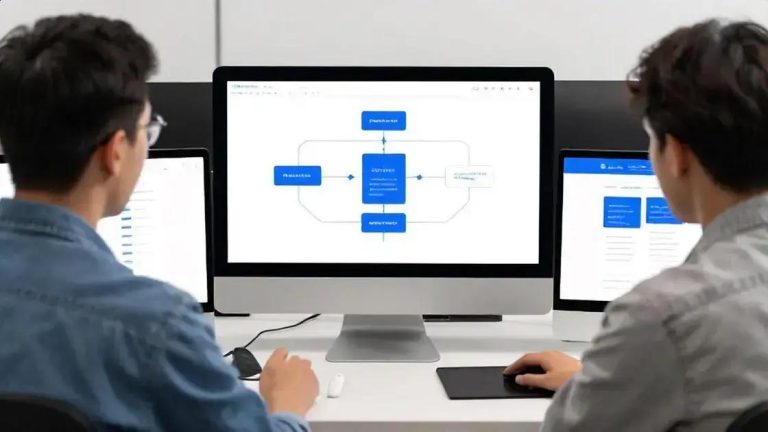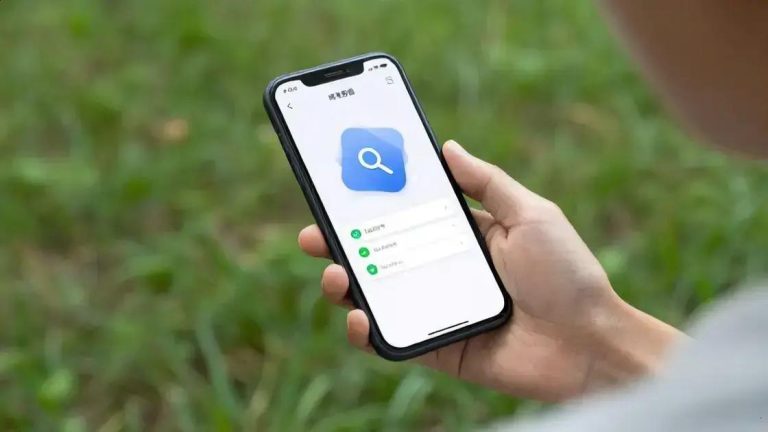






Speech synthesis technology transforms text into spoken words, enhancing accessibility for users with visual impairments or learning disabilities. It is widely used in educational apps, navigation systems, and customer service chatbots, making information more accessible and engaging. By allowing users to listen to content, speech synthesis promotes independence and improves user experience across various platforms, including smart home devices and gaming. This versatile tool is essential for creating inclusive digital environments.
Speech Synthesis is a fascinating technology that turns text into spoken words. It’s like having a virtual voice that can read out loud for you. This can be super helpful for many people. For instance, those who have trouble reading or seeing can benefit greatly from this tool.
Imagine you’re browsing a website and you come across a long article. Instead of reading it all, you can simply click a button, and a voice will read it to you. This makes information more accessible. It’s especially useful for students who might struggle with reading comprehension.
Speech synthesis works by using special software that analyzes text. The software breaks down the text into smaller parts, like words and sentences. Then, it uses a voice to read those parts out loud. The voices can sound very natural, almost like a real person talking.
There are many applications for speech synthesis. For example, it’s used in virtual assistants like Siri and Google Assistant. These assistants can read your messages, give you directions, or even tell you the weather. This technology is also found in navigation systems, helping drivers get to their destinations safely.
One of the great things about speech synthesis is that it can be customized. You can choose different voices, accents, and speeds. This means you can find a voice that you like best. Some people prefer a calm voice, while others may like a more energetic tone.
As technology improves, speech synthesis continues to get better. The voices sound more realistic than ever. They can even express emotions, making conversations feel more engaging. This is important for creating a connection with users.
In summary, speech synthesis is an amazing tool that makes information more accessible. It’s changing how we interact with technology and helping people in many ways. Whether for education, navigation, or just for fun, speech synthesis is here to stay!
Speech synthesis offers many benefits for accessibility. It helps people who have trouble reading or seeing. This technology can change how they access information online. Imagine a person with visual impairments trying to read a webpage. With speech synthesis, they can listen to the content instead.
One major benefit is that it allows users to consume information in a way that suits them. Some people learn better by hearing. Speech synthesis makes it easier for them to understand complex topics. They can focus on the meaning without struggling with the text.
Another advantage is that it can help those with learning disabilities. For example, students with dyslexia often find reading challenging. By using speech synthesis, they can hear the words as they read along. This helps improve their reading skills over time.
Speech synthesis can also assist elderly individuals. As people age, their vision may decline. This technology allows them to stay informed and engaged. They can listen to news articles, emails, or books without straining their eyes.
In addition, businesses and websites can enhance their accessibility. By integrating speech synthesis, they can reach a wider audience. This shows that they care about all users, not just those who can read easily. It’s a great way to improve customer satisfaction.
Moreover, speech synthesis can be used in various applications. For example, it’s often found in educational tools. These tools can read aloud instructions or content, making learning more interactive. This is especially useful in classrooms where students have different learning needs.
Using speech synthesis also promotes independence. Users can navigate websites and access information without needing help. This boosts their confidence and allows them to make choices on their own.
In summary, the benefits of speech synthesis for accessibility are clear. It opens doors for many people, making information more available. With this technology, everyone can enjoy a better online experience.
Implementing speech synthesis can be straightforward with the right examples. Many businesses and developers have already found great ways to use this technology. Here are some practical examples to consider.
First, think about educational apps. Many learning platforms now use speech synthesis to read aloud lessons and quizzes. This helps students who may struggle with reading. By listening, they can better understand the material. It also makes learning more interactive and fun!
Another great example is in navigation apps. When you’re driving, it’s important to keep your eyes on the road. Speech synthesis can read directions aloud, guiding you without needing to look at your phone. This keeps drivers safe and focused on the road.
Additionally, many websites now offer text-to-speech features. Users can click a button to hear articles or blog posts read aloud. This is especially helpful for those with visual impairments or learning disabilities. It makes content more accessible to everyone.
In the customer service field, businesses are using speech synthesis in chatbots. These bots can read responses to users, making interactions feel more personal. When customers hear a friendly voice, it enhances their experience and builds trust.
Furthermore, speech synthesis is also used in smart home devices. Devices like Amazon Echo or Google Home can read news updates, weather reports, or reminders. This allows users to stay informed without needing to check their phones or computers.
Another interesting application is in gaming. Many games now use speech synthesis to bring characters to life. Players can hear dialogues instead of just reading text. This adds a new layer of immersion and enjoyment to the gaming experience.
Finally, consider how speech synthesis can be integrated into healthcare. For patients with speech difficulties, devices can read their thoughts aloud. This helps them communicate better with doctors and loved ones. It’s a powerful tool for enhancing quality of life.
In summary, these practical implementation examples show how versatile speech synthesis can be. From education to healthcare, its applications are vast and impactful. Businesses and developers can leverage this technology to create better experiences for their users.