




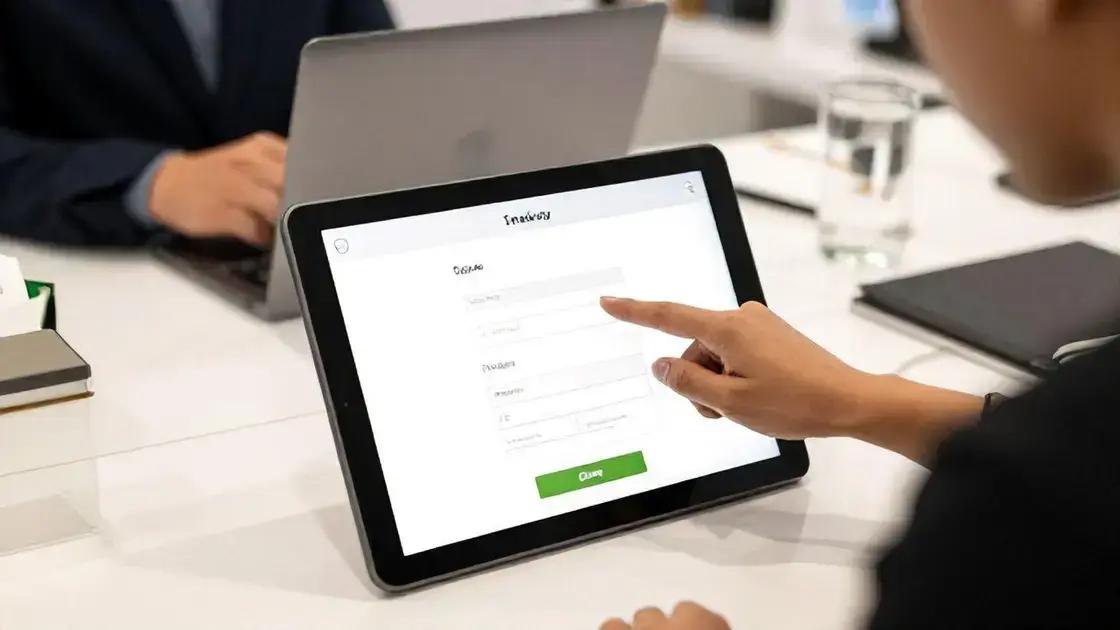

Leveraging customer insights is crucial for business growth. By collecting and analyzing data on customer preferences and behaviors, businesses can tailor their products and services to meet specific needs. This process involves gathering data through forms and surveys, personalizing customer experiences, and refining marketing strategies. Additionally, responding to customer feedback fosters loyalty and enhances relationships. Regularly monitoring insights ensures that businesses adapt to changing trends, ultimately driving sales and customer satisfaction.
Shopify Forms are a game changer for store owners looking to enhance their understanding of customer behavior. By utilizing these forms, you can gather invaluable insights that drive sales and improve customer satisfaction.
The Importance of Customer Data for Shopify Stores
Customer data is crucial for Shopify stores. It helps you understand who your customers are and what they want. When you know your customers better, you can tailor your products and services to meet their needs.
Collecting data can seem overwhelming, but it doesn’t have to be. Start with basic information like names, email addresses, and purchase history. This data gives you insights into shopping habits. For example, you might notice that many customers buy specific items together. This can help you create better product bundles.
Why is Customer Data Important? Customer data allows you to make informed decisions. It helps you identify trends and patterns in buying behavior. With this information, you can adjust your marketing strategies. You can also improve your inventory management. If you know which products are popular, you can stock up on them.
Moreover, customer data enhances the shopping experience. When you personalize your marketing, customers feel valued. For instance, sending personalized emails with product recommendations can increase sales. Customers are more likely to buy when they see products that match their interests.
Another benefit is customer retention. When you understand your customers, you can keep them coming back. Offering loyalty programs based on purchase history can encourage repeat business. Customers appreciate rewards for their loyalty.
Data also helps in targeting ads. By analyzing customer demographics, you can create ads that reach the right audience. This means your marketing budget is spent more effectively. Instead of general ads, you can focus on specific groups that are more likely to convert.
In summary, customer data is a powerful tool for Shopify stores. It helps you understand your audience, personalize experiences, and improve sales. By leveraging this data, you can build stronger relationships with your customers and drive business growth.
Understanding Shopify Form Builders
Shopify Form Builders are tools that help you create custom forms for your online store. These forms are essential for collecting information from your customers. You can use them to gather feedback, manage orders, or even collect leads for your email list.
Using a form builder is simple. You can drag and drop elements to create the form you want. This means you don’t need to know how to code. Just choose the fields you want, like text boxes, checkboxes, or dropdown menus. You can also customize the look of the form to match your store’s design.
Why Use Shopify Form Builders? They save you time and effort. Instead of manually collecting data, forms automate the process. This means you can focus on other important tasks. Plus, having an organized way to collect data helps you manage it better.
With Shopify Form Builders, you can create various types of forms. For example, a contact form lets customers reach out with questions. An order form can help you take special requests from customers. You can even create surveys to learn more about what your customers want.
Another great feature is integration. Many form builders work with other apps. This means you can send the data you collect to your email marketing platform. You can also connect it to your CRM system. This makes it easier to keep track of customer interactions.
Forms can also help improve customer engagement. When customers see a form, they know their opinions matter. This can lead to higher satisfaction and loyalty. You can ask for feedback after a purchase or during a special promotion.
In summary, Shopify Form Builders are powerful tools for any online store. They help you collect valuable data without the hassle. By using these forms, you can improve customer relationships and streamline your operations.
Creating Custom Forms for Enhanced Data Collection
Creating custom forms is a key step for enhanced data collection in your Shopify store. These forms allow you to gather specific information that suits your business needs. You can ask customers for feedback, collect leads, or manage orders more effectively.
With a form builder, you can easily design forms that look great and are easy to use. Start by choosing the fields you want. Common fields include text boxes, checkboxes, and dropdown menus. Each field serves a purpose. For example, a text box can collect names or comments, while checkboxes can gather preferences.
Why Custom Forms Matter Custom forms help you collect the right data. Instead of generic questions, you can tailor your forms to gather insights specific to your products and services. This means you get more valuable information that can drive your business decisions.
Another advantage is flexibility. You can create different forms for various purposes. For instance, you might have a contact form for customer inquiries and a survey form for feedback. This way, you can meet different needs without confusion.
When designing your forms, keep the user experience in mind. Make sure the forms are simple and straightforward. Long or complicated forms can frustrate customers. Aim for a clean layout with clear instructions. This encourages more people to fill them out.
Consider using conditional logic in your forms. This means showing or hiding fields based on previous answers. For example, if a customer selects “Yes” to a question, you can show a follow-up question. This keeps the form relevant and engaging.
Once your forms are ready, test them out. Ensure everything works smoothly. Check that the data collects correctly and that you receive notifications. This helps you stay on top of customer responses.
In summary, creating custom forms is essential for effective data collection. They help you gather targeted information while improving customer engagement. By tailoring your forms to your needs, you can enhance your Shopify store’s performance.
Best Practices for Effective Data Gathering
Gathering data effectively is vital for any Shopify store. When you collect the right information, you can make better decisions. Here are some best practices to follow for effective data gathering.
1. Keep It Simple Start by keeping your forms simple. Avoid asking too many questions at once. Focus on the most important information you need. This makes it easier for customers to fill out the forms. Shorter forms often lead to higher completion rates.
2. Use Clear Language Make sure your questions are easy to understand. Use everyday language that everyone can grasp. Avoid jargon or complex terms. If you must use specific terms, explain them briefly. This helps customers feel more comfortable when providing their information.
3. Offer Incentives People are more likely to share their data if they see value in it. Consider offering incentives like discounts or freebies for completing a form. This can motivate customers to take the time to fill it out. It’s a win-win situation!
4. Test Your Forms Before launching your forms, test them thoroughly. Make sure all fields work correctly and that you receive the data as expected. Ask a few people to try filling them out and provide feedback. This helps you catch any issues early.
5. Ensure Data Privacy Customers want to know their information is safe. Be transparent about how you will use their data. Include a privacy policy that explains your data handling practices. This builds trust and encourages more customers to share their information.
6. Analyze Collected Data After gathering data, take the time to analyze it. Look for trends and insights that can help your business. Use this information to improve your products and services. Regularly reviewing your data helps you stay in touch with customer needs.
7. Follow Up Once you collect data, follow up with your customers. Thank them for their input and let them know how their feedback is being used. This shows that you value their opinions and encourages future engagement.
By following these best practices, you can enhance your data gathering process. This leads to better customer insights and improved business decisions. Remember, effective data collection is an ongoing process that can greatly benefit your Shopify store.
Leveraging Customer Insights for Business Growth
Leveraging customer insights is essential for business growth. Understanding what your customers want can help you make better decisions. When you know your audience, you can tailor your products and services to meet their needs.
1. Collecting Customer Data Start by gathering data from various sources. Use forms, surveys, and feedback tools to collect information. This data can include customer preferences, buying habits, and feedback on products. The more you know, the better you can serve your customers.
2. Analyzing the Data Once you have collected data, analyze it to find trends. Look for patterns in customer behavior. For example, you might notice that customers who buy a certain product often buy another item. This can help you create better product bundles or promotions.
3. Personalizing Customer Experience Use the insights you gain to personalize the customer experience. Send targeted emails based on past purchases. Recommend products that match their interests. Personalization makes customers feel valued and can increase sales.
4. Improving Products and Services Customer insights can guide you in improving your offerings. If you notice common complaints about a product, consider making changes. Listening to your customers shows that you care about their opinions and helps build loyalty.
5. Enhancing Marketing Strategies Use customer insights to refine your marketing strategies. Knowing your audience allows you to create targeted ads that resonate with them. This can lead to higher conversion rates and a better return on investment.
6. Building Stronger Relationships Engaging with customers based on their insights helps build stronger relationships. Respond to feedback and show appreciation for their input. This fosters a sense of community and encourages repeat business.
7. Monitoring and Adapting Finally, keep monitoring customer insights regularly. Trends can change, and staying updated helps you adapt quickly. Use analytics tools to track changes in customer behavior and preferences.
By leveraging customer insights, you can drive business growth effectively. Understanding your customers leads to better products, targeted marketing, and stronger relationships. This not only boosts sales but also enhances customer satisfaction.