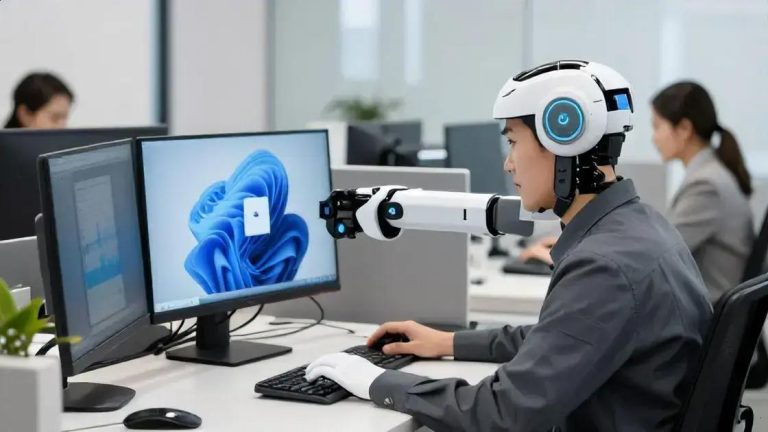




The future of AI in app development is promising, with advancements leading to more personalized and intuitive applications. AI will enhance user experiences by tailoring content to individual preferences and enabling voice interactions. It will also improve security by detecting threats and automating development tasks, allowing developers to focus on creativity. As AI technology evolves, it will open new possibilities for innovative applications across various fields, including healthcare and finance, making it essential for developers to adapt and embrace these changes.
Are you ready to explore the world of MediaPipe? This powerful tool is revolutionizing how we build interactive applications, making it easier than ever to create engaging user experiences.
Introduction to Gemini and MediaPipe
Gemini and MediaPipe are two powerful tools that can help developers create amazing applications. Gemini is an advanced AI model that enhances user experiences. It can understand and generate text, making it easier for apps to interact with users. On the other hand, MediaPipe is a framework designed for building real-time computer vision applications. It allows developers to process video and audio data quickly and efficiently.
With Gemini, you can create apps that respond to user input in a natural way. Imagine a chatbot that understands your questions and provides accurate answers. This capability can improve customer service and make apps more engaging.
MediaPipe shines in areas like gesture recognition and object detection. For example, it can track hand movements in real-time, allowing users to control apps with gestures. This technology is not just cool; it opens up new possibilities for interactive experiences.
Combining Gemini and MediaPipe can lead to innovative applications. You can build an app that recognizes gestures and responds with text generated by Gemini. This creates a seamless interaction between the user and the app, making technology feel more intuitive.
Both tools are easy to integrate into your projects. They come with detailed documentation and community support. Whether you are a beginner or an experienced developer, you can start using them right away.
In summary, Gemini and MediaPipe are changing how we think about app development. They provide the tools needed to create interactive and engaging applications. By leveraging these technologies, developers can build solutions that not only meet user needs but also exceed their expectations.
Building Interactive Apps with MediaPipe
Building interactive apps with MediaPipe is an exciting journey. MediaPipe is a framework that helps developers create real-time applications. It focuses on computer vision and machine learning, making it easier to add smart features to your apps. Whether you want to recognize faces, track movements, or detect objects, MediaPipe has you covered.
One of the best things about MediaPipe is its ease of use. You can start by downloading the framework and setting it up in your development environment. MediaPipe provides pre-built solutions that you can use right away. For example, you can use the face detection model to identify faces in images or videos. This feature is perfect for apps that need to enhance user interaction.
Another great feature is gesture recognition. With MediaPipe, you can track hand movements in real-time. This allows users to control your app using simple gestures. Imagine an app where you can change settings just by waving your hand! This kind of interaction makes apps feel more engaging and fun.
MediaPipe also supports various platforms. You can build apps for mobile devices, web applications, and even desktop software. This flexibility means you can reach a wider audience. Plus, the framework is designed to be efficient. It runs smoothly on devices with limited resources, making it perfect for a variety of users.
When building your app, it’s important to think about the user experience. MediaPipe helps you create intuitive interfaces. Users should feel comfortable interacting with your app. Use clear instructions and feedback to guide them. For instance, if a gesture is recognized, provide visual cues to confirm the action.
Testing your app is crucial. Make sure to try it out on different devices. This helps you spot any issues and improve performance. MediaPipe makes it easy to adjust your app based on user feedback. You can refine features and enhance the overall experience.
In summary, MediaPipe is a powerful tool for building interactive apps. Its features like face detection and gesture recognition can make your app stand out. By focusing on user experience and testing, you can create engaging applications that users will love.
Examples of Creative Applications
There are many creative applications of MediaPipe that showcase its power. These applications highlight how developers can use the framework to build engaging experiences. One popular example is augmented reality (AR) filters. These filters can change how users look in photos or videos. They can add fun elements like hats, glasses, or even animal faces. Apps like Instagram and Snapchat use similar technology to create interactive filters.
Another exciting application is in fitness tracking. MediaPipe can analyze body movements during workouts. This helps users improve their form and technique. For instance, a fitness app could use MediaPipe to check if you’re squatting correctly. It can provide real-time feedback, making workouts more effective.
Gesture recognition is another area where MediaPipe shines. Developers can create apps that respond to hand movements. Imagine controlling your music player just by waving your hand! This kind of interaction makes technology feel more natural. It also opens up new ways for users to engage with their devices.
MediaPipe is also used in educational apps. For example, language learning apps can use it to track mouth movements. This helps users practice pronunciation. By analyzing how users speak, the app can give instant feedback. This makes learning more interactive and fun.
In the field of robotics, MediaPipe can help robots understand their environment. Robots can use it to detect objects and navigate spaces. This technology is crucial for developing smart robots that can assist in homes or workplaces.
Creative applications of MediaPipe extend to gaming as well. Games can use gesture recognition to create immersive experiences. Players can control characters with their movements, making the game more engaging. This adds a new layer of excitement to gameplay.
Overall, MediaPipe enables developers to think outside the box. Its versatility allows for a wide range of creative applications. From AR filters to fitness tracking and beyond, the possibilities are endless. By using MediaPipe, developers can create unique experiences that capture users’ attention.
Future of AI in App Development
The future of AI in app development looks bright and full of possibilities. As technology advances, AI will play a bigger role in how apps are built and used. Developers are already using AI to create smarter and more efficient applications. This trend will only grow in the coming years.
One major area where AI will shine is in personalization. Apps will become more tailored to individual users. For example, AI can analyze user behavior and preferences. This data helps apps suggest content, products, or features that users are likely to enjoy. Imagine a shopping app that knows your style and recommends items just for you!
Another exciting development is improved user interfaces. AI can help create more intuitive designs. With natural language processing, users can interact with apps using voice commands. This makes it easier for everyone to use technology. Expect to see more voice-activated features in everyday apps.
AI will also enhance security in app development. As apps collect more data, protecting that data becomes crucial. AI can help detect unusual activity and potential threats. This means safer experiences for users and greater trust in apps.
Moreover, AI can automate many development tasks. This includes testing, debugging, and even writing code. By using AI tools, developers can save time and focus on more creative aspects of app design. This will lead to faster development cycles and more innovative applications.
Collaboration between AI and developers will be key. Developers will need to understand how to work with AI tools effectively. This means learning new skills and adapting to changing technologies. Training programs will likely emerge to help developers keep up with these advancements.
In addition, AI will enable new types of applications that we can’t even imagine yet. Think about how AI can analyze vast amounts of data in real-time. This capability can lead to breakthroughs in fields like healthcare, finance, and education. Apps could provide insights and recommendations that were previously impossible.
Overall, the future of AI in app development is full of promise. As AI continues to evolve, it will transform how we create and use applications. Developers who embrace these changes will be at the forefront of this exciting journey.