



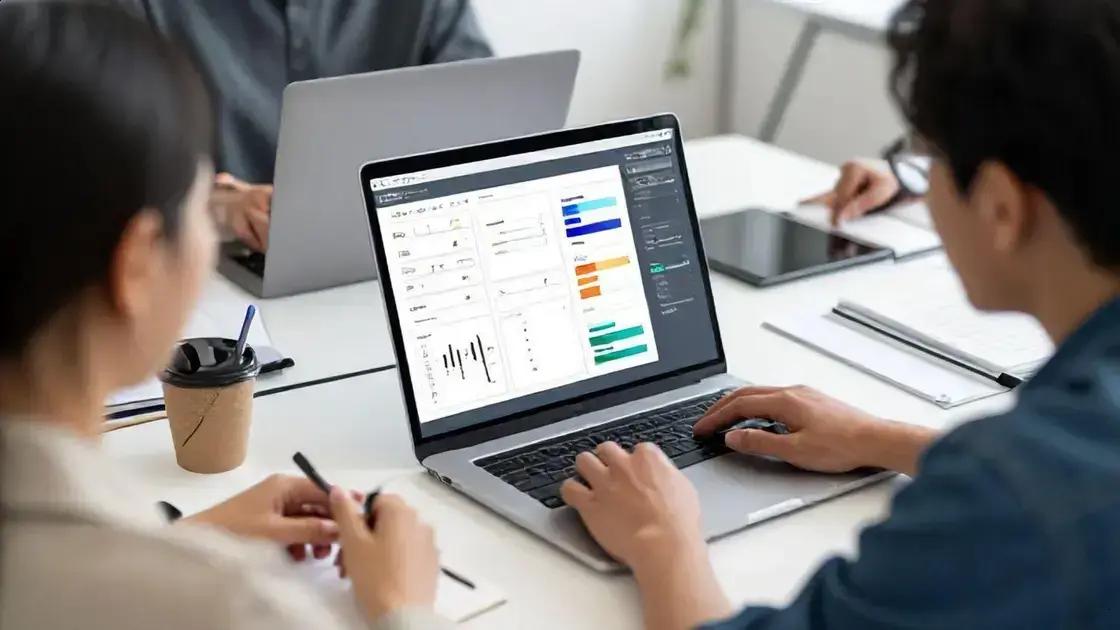

A hybrid workflow combines traditional design methods with modern tools, enhancing collaboration and productivity. By integrating cloud-based applications like Figma with desktop software, teams can improve real-time collaboration and streamline processes. This approach allows for flexibility, enabling teams to choose tools that best fit their needs. While building a hybrid workflow presents challenges such as ensuring tool integration and providing adequate training, the benefits include increased efficiency and creative freedom. Overall, adopting a hybrid workflow can lead to a more dynamic and effective design environment.
Have you heard about the buzz around Google Stitch? This innovative tool is changing the way designers work, and it’s worth exploring why it’s gaining traction over traditional platforms like Figma.
The Shift in Digital Product Creation
The digital world is changing fast, and so is how we create products. Designers are now using tools that help them work together better. This shift is all about making the design process smoother and more efficient.
One big change is the rise of cloud-based tools. These tools let teams work from anywhere. Designers can share ideas and get feedback in real time. This means projects move faster, and everyone stays on the same page.
Another important part of this shift is automation. Designers can automate routine tasks. This saves time and reduces errors. For example, instead of manually adjusting layouts, tools can do this automatically. This allows designers to focus on what really matters: creativity.
Collaboration is also key. Teams are now made up of people from different backgrounds. This mix of skills leads to more innovative ideas. Designers, developers, and marketers can all contribute their unique perspectives. This teamwork helps create better products.
Moreover, user feedback is more important than ever. Designers are using data to understand what users want. This means they can make changes based on real feedback. This approach leads to products that better meet user needs.
As we look to the future, it’s clear that the shift in digital product creation is here to stay. With new tools and methods, designers can create amazing products that are user-friendly and effective. Embracing this change will lead to exciting opportunities in the design world.
Google Stitch: Understanding the Automated Workspace
Google Stitch is changing how teams work together. It offers an automated workspace that makes collaboration easier. This tool helps designers and developers connect seamlessly. With Google Stitch, everyone can access the same project from anywhere.
One of the best features is its automation. Tasks that used to take hours can now be done in minutes. For example, updating design elements across multiple files is quick and easy. This saves time and reduces mistakes.
Another great aspect is the user-friendly interface. Google Stitch is designed to be simple. Even if you’re not tech-savvy, you can navigate it with ease. The layout is clean, and tools are easy to find. This means you can focus on your work, not on figuring out how to use the software.
Collaboration is key in today’s work environment. Google Stitch allows for real-time editing. This means multiple users can work on the same project at once. You can see changes as they happen. This feature is great for teams that need to brainstorm and make quick decisions.
Moreover, Google Stitch integrates with other tools. You can connect it with your favorite apps and services. This means you can keep all your work in one place. It’s convenient and helps keep everything organized.
Security is also a priority. Google Stitch protects your data with strong security measures. You can work confidently, knowing your information is safe. This is especially important for businesses that handle sensitive data.
In summary, Google Stitch is a powerful tool for modern teams. Its automated workspace enhances productivity and collaboration. By using this tool, teams can work smarter and achieve their goals faster.
Figma: The Enduring Power of Traditional Platforms
Figma is a well-known design tool that has stood the test of time. Many designers still prefer it for its powerful features. It allows teams to create and collaborate on designs easily. This platform has become a staple in the design community.
One reason for Figma’s popularity is its user-friendly interface. New users can quickly learn how to navigate it. The layout is intuitive, making it easy to find tools and features. This helps teams focus on their projects without getting stuck on how to use the software.
Another key strength of Figma is its collaboration features. Multiple users can work on the same project at once. You can see changes in real time, which makes teamwork seamless. This is especially helpful for remote teams who need to stay connected.
Figma also supports design systems. You can create reusable components that maintain consistency across projects. This is great for brands that want to keep their look and feel uniform. Design systems save time and help teams work more efficiently.
Moreover, Figma integrates with many other tools. You can connect it with project management software, prototyping tools, and more. This flexibility allows teams to build a workflow that suits their needs. They can keep everything organized and in one place.
Security is another important aspect. Figma offers strong security measures to protect your work. You can control who has access to your projects. This is crucial for businesses that handle sensitive information.
In addition, Figma is constantly updating its features. The team behind Figma listens to user feedback and makes improvements. This commitment to innovation keeps the platform relevant and useful for designers.
Overall, Figma remains a powerful option for design teams. Its ease of use, collaboration features, and strong integrations make it a go-to choice. Even with new tools emerging, Figma continues to hold its ground in the design world.
The Core Differences
When comparing design tools, it’s important to know the core differences. Each tool has unique features that can affect your workflow. Understanding these differences helps teams choose the right one for their needs.
First, let’s look at collaboration. Tools like Figma excel in real-time collaboration. Multiple users can edit a design at the same time. This is great for teams working remotely. They can see changes instantly, which speeds up the design process.
In contrast, Google Stitch offers automation features. It streamlines repetitive tasks, allowing designers to focus on creativity. For example, it can automatically update design elements across multiple files. This saves time and reduces errors.
Next, consider the user interface. Figma has a clean and intuitive layout. New users can quickly learn how to use it. This makes it a favorite among beginners. Google Stitch, while user-friendly, may take a bit longer to master due to its advanced features.
Another difference is integration. Figma integrates well with various tools. You can connect it with project management apps and prototyping tools. This flexibility helps teams keep everything organized. Google Stitch also offers integrations but focuses more on automation and efficiency.
Security is crucial for many businesses. Both tools provide strong security measures. Figma allows you to control who accesses your projects. Google Stitch also offers robust security features to protect sensitive data.
Lastly, let’s talk about updates and support. Figma frequently updates its features based on user feedback. This keeps the tool relevant and useful. Google Stitch also updates regularly, focusing on enhancing automation capabilities.
In summary, understanding the core differences between these tools is essential. Each has its strengths and weaknesses. By knowing what each offers, teams can make informed decisions that suit their workflow.
Building a Hybrid Workflow
Building a hybrid workflow can greatly enhance productivity for design teams. A hybrid workflow combines traditional methods with modern tools. This approach allows teams to take advantage of the best features from both worlds.
First, it’s important to understand what a hybrid workflow looks like. It often includes using cloud-based tools alongside desktop applications. For example, designers might use Figma for real-time collaboration and Adobe Illustrator for detailed graphics. This mix allows for flexibility and creativity.
One major benefit of a hybrid workflow is improved collaboration. Team members can work together from different locations. Cloud-based tools enable real-time updates, so everyone stays on the same page. This is especially useful for remote teams who may not be in the same office.
Another advantage is the ability to customize workflows. Teams can choose the tools that best fit their needs. For instance, some may prefer Google Stitch for its automation features, while others might stick with Figma for its user-friendly interface. This flexibility can lead to better results.
Integrating various tools also helps streamline processes. For example, designers can use automation to handle repetitive tasks. This frees up time for more creative work. By combining tools that automate tasks with those that require hands-on design, teams can work more efficiently.
However, building a hybrid workflow does come with challenges. Teams need to ensure that all tools integrate well. Poor integration can lead to confusion and wasted time. It’s important to test how different tools work together before fully implementing them.
Training is another key factor. Team members must be comfortable using all the tools in the hybrid workflow. Providing training sessions can help everyone get on board. This ensures that the team can make the most of their chosen tools.
In summary, a hybrid workflow can boost creativity and efficiency. By blending traditional methods with modern tools, teams can create a more dynamic working environment. This approach not only enhances collaboration but also allows for greater flexibility in design processes.